
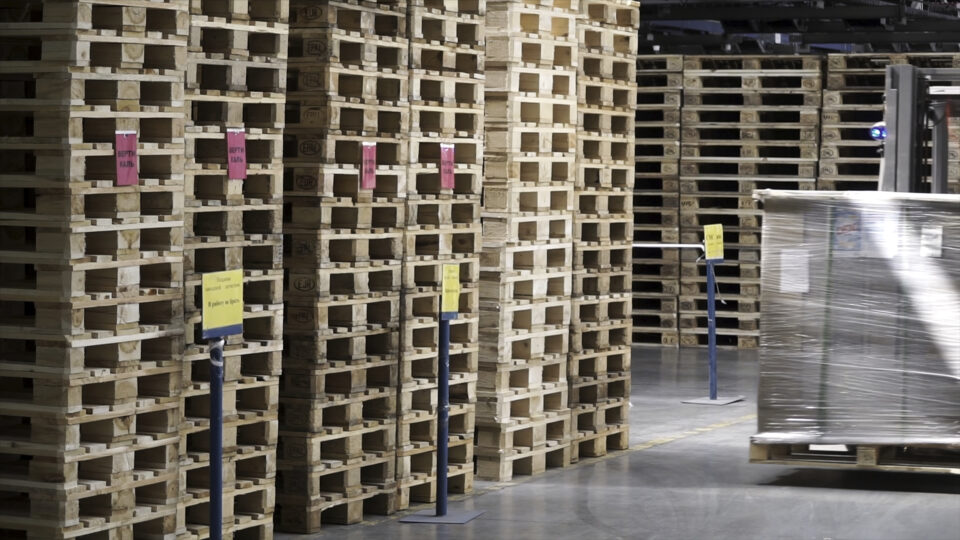
Pallets look simple, but for most warehouses they carry most of the cost, the risk, and the flow of work. The global pallets market is worth tens of billions of dollars and is projected to keep growing as supply chains scale and e-commerce expands.
At the same time, warehousing workers face some of the highest rates of musculoskeletal injuries from lifting, pushing, and pulling heavy loads. Poor pallet practices sit right in the middle of that problem.
Good pallet management is one of the fastest ways to cut waste, improve safety, and unlock more capacity without moving to a bigger building. It runs from how many pallets you hold, through the types you buy, to how you store and retire them.
This guide walks through practical steps your team can use to build a smarter pallet strategy that works alongside your storage and racking decisions.
Why Pallet Management Matters More Than Most People Think
Pallets have moved from a basic consumable to a strategic asset. Three big trends sit behind that shift.
- Rising pallet demand and costs
The global pallet market is valued at around USD 90 to 100 billion and is expected to grow at about 5 to 6 percent each year through to 2034. Inc.+2Claight Corp+2
More demand, higher timber and transport costs, and pressure on margins mean every damaged or lost pallet hurts more than it used to. - Safety and compliance pressure
Warehousing and storage see high rates of non-fatal injuries, especially musculoskeletal disorders linked to manual handling tasks like lifting and moving heavy items and pushing pallet loads.
Unstable stacks, broken decks, and badly chosen pallets all increase that risk. - Efficiency and space constraints
Many facilities have already filled easy storage gains. That puts more pressure on how pallets are chosen, stored, and rotated. A tidy pallet plan can free up aisles, shorten travel time, and make picking lanes safer.
Pallet management is no longer just about having a stack out the back. It is a balance of cost, safety, lifespan, and throughput.
What Does Good Pallet Management Look Like?
Good pallet management is simply a clear, repeatable way your team handles pallets across their full life cycle.
A practical pallet program will cover:
- Right pallet mix
Matching pallet size, material, and rating to your loads, racking, and handling equipment. - Controlled pallet inventory
Knowing how many pallets you have, where they sit, and how fast they turn. - Defined storage rules
Clear height limits, locations, and rules for indoor versus outdoor storage. - Inspection and repair
Regular checks, simple criteria for when to repair or scrap, and a way to keep broken pallets out of circulation. - Data and ownership
Someone owns the process and checks basic numbers such as loss rates, repair costs, and write offs.
Get those basics in place and your warehouse layout, racking, and staff training immediately become more effective.
How Many Pallets Should Your Business Keep On Hand?
This is one of the most common questions warehouse managers ask. Hold too few and you slow down shipping. Hold too many and you choke your yard and tie up cash.
There is no single perfect number, but you can get close with a simple framework.
What Factors Drive Pallet Demand?
Start by looking at:
- Average daily shipments or receipts
How many pallet positions move through your doors on a typical day? - Peak season uplift
What does that number look like in your busiest two to three months? - Turnaround time
How long do pallets stay tied up at customers or production, especially if you use exchange or pooled systems? - Special requirements
Export loads, food grade work, or oversized products often need dedicated pallet types.
A Simple Way To Estimate Pallet Inventory
A useful rough approach is:
- Take your average daily pallet usage.
- Multiply it by turnaround days for that pallet type.
- Add a safety buffer of 10 to 20 percent for damage, surges, and delays.
For example:
- 200 pallet loads shipped per day
- Typical pallet return or turnaround time of 10 days
- 200 x 10 = 2,000 pallets in circulation
- Add 20 percent buffer = 2,400 pallets
You can repeat this for different types of pallets, such as plastic export pallets or heavy duty timber pallets.
Once you have the number, check that you can store that volume safely within your stack height and fire safety limits, not just in theory but in your actual aisles and yard.
How Do You Choose The Right Pallets For Your Operation?
Choosing the wrong pallet type can undo all the work you put into racking and layout. Overloaded pallets, non standard sizes, or the wrong material for your environment all lead to product damage and safety incidents.
Key Questions To Ask Before You Buy
- What loads will the pallet carry?
Think about static load (in storage) and dynamic load (on a forklift). Standard wooden pallets can weigh between 30 and 70 pounds on their own, so your loads can become heavy very quickly. - Where will the pallet go?
- Only in your warehouse
- Through automated systems or pallet flow
- Into export, with ISPM 15 requirements
- Into food or pharma environments with hygiene standards
- Only in your warehouse
- How will it be handled?
- Manual pallet jacks in tight aisles
- Counterbalance or reach forklifts
- High bay racking or block stacking
Each handling method has different demands on pallet stiffness and deck design.
- Manual pallet jacks in tight aisles
- How long do you need it to last?
A pallet that cycles dozens of times in a closed loop may justify higher upfront spend, while a one way export pallet is usually all about compliant, cost effective protection.
Why High Quality New Pallets Still Matter
There is a strong role for second hand or recycled pallets when budgets are tight and loads are forgiving. But for critical lines or export work, high quality new pallets often give better safety margins, easier racking performance, and fewer surprises during peak periods. Suppliers like PalletWest in Perth offer options across wooden, plastic, and heat treated export grades that align with Australian Standard pallet sizes and ISPM 15 export rules.
A clear policy such as “all racked inventory sits on rated new pallets, all floor stacks can use approved second hand pallets” removes guesswork for forklift drivers and supervisors.
What Is A Safe Way To Store Pallets In Small And Medium Warehouses?
Once pallets arrive on site, storage is where many risks appear. Unsafe stacks, pallets left in fire aisles, and weather damage outside all build up over time.
Safe pallet storage usually means:
- Keeping pallets as dry as possible
- Stacking in even, aligned columns
- Respecting height limits for free standing stacks
- Keeping clear space around exits and sprinkler heads
For a deeper walk through of indoor and outdoor options, stack heights, and safety tips, PalletWest has a practical guide on how to store pallets: a guide for your business that steps through real world setups specific to Australian operations.
Key Storage Principles To Apply
Whether you run a small depot or a larger facility, these rules apply almost everywhere:
- Keep pallets off bare ground outside
Raised beams, sleepers, or concrete pads help avoid moisture, pests, and rot. - Use racking where possible
Pallet racking systems allow higher vertical storage with better access and safety, as long as your pallets and beams are rated for each other. - Set and enforce height limits
Many safety guides recommend limiting free standing empty pallet stacks to around 1.8 to 2 meters unless engineered otherwise. Local fire and building rules may impose additional limits, so always check local regulations or insurer guidelines. - Separate good and bad pallets
Have a clear spot for damaged or suspect pallets so they are not accidentally reused.
When you lock these basics onto your floor plan and racking design, it becomes easier for staff to make the safe choice by default.
How Can You Reduce Pallet Damage And Hidden Costs?
Pallets often fail because the operation around them treats them as free. In reality, damage, loss, and premature scrapping quietly drain cash.
Understand Your Weak Points
Look for patterns such as:
- High breakage around specific docks or loading doors
- Damage when pallets pass through automated conveyors
- Higher loss rates with particular customers or carriers
- Frequent deck board failures under specific products
Many facilities find that a small number of pinch points cause most of their pallet problems.
Practical Ways To Cut Pallet Damage
- Match pallets to load weight and type
Overloading pallets, or placing point loads on slats instead of stringers, is a common cause of failure. Guidance from pallet suppliers shows typical standard timber pallets can support loads well above a ton, but only when the weight is spread and the pallet is in good condition. - Train and refresh handling skills
Forklift and pallet jack technique matters. Hard impacts into racks, dragging pallets, or pushing damaged pallets deeper into stacks all reduce lifespan and raise injury risk. - Introduce quick inspections
Simple checks for split stringers, missing deck boards, protruding nails, or signs of rot can be built into receiving and picking tasks. - Use repair or recycling services
Partnering with a repair provider means good timber can be recovered and weak pallets brought back into safe use instead of going straight to waste. - Track damage and loss rates
Even basic counts by month and by site can highlight problem areas and support the case for better training or higher grade pallets in certain zones.
How Does Pallet Management Fit Into Your Safety Program?
Safety teams often focus on forklifts and racking, but pallets sit right in the middle of both.
The U.S. Occupational Safety and Health Administration notes that warehousing workers face ergonomic risks from lifting, bending, reaching, and pushing loads, all of which apply when handling pallets. Broken or poorly stacked pallets turn those routine tasks into higher risk activities.
Safety Actions Linked To Pallets
- Include pallets in hazard inspections
Add pallet condition, stack stability, and pallet locations to your regular walk throughs. - Tie pallet rules into SOPs
Standard operating procedures for loading docks, picking, and put away should include pallet checks alongside product checks. - Share simple visuals
Photos of approved stacks, red tag examples of broken pallets, and clear floor markings help staff see what good looks like. - Measure incidents involving pallets
Near misses involving collapsing stacks, trips around loose pallets, or injuries from manual lifting are all warning signs.
When pallets are treated as part of the safety system instead of background clutter, your total incident rate tends to fall.
What Role Do Data And Technology Play In Pallet Management?
Even small sites can use light data to make better pallet decisions.
You do not need a full tracking system to get value, but you can start with:
- Counts of pallets in and out by week
- Scrap and repair numbers
- Incidents linked to pallet failure
- Locations with chronic shortage or oversupply
Larger operations may look at:
- Barcode or RFID tagging of high value pallets
- Integration with warehouse management systems for pallet status
- Smart pallets with built in tracking to follow loads through the supply chain
The goal is not technology for its own sake, but enough data to see whether your pallet strategy is working or wasting money.
A Simple Checklist To Improve Pallet Management This Quarter
To turn ideas into action, use a short checklist and tackle a few items each month.
Week 1 to 2: Understand your baseline
- Count how many pallets you hold by type.
- Walk your site and photograph pallet stacks, indoors and outdoors.
- Note where damaged pallets are sitting and how they are handled.
Week 3 to 4: Set basic rules
- Define which products can use which pallet types.
- Agree on stack height limits and storage zones.
- Decide how staff should tag or remove damaged pallets.
Month 2: Fix the worst risks
- Clean up storage around exits, docks, and fire equipment.
- Remove clearly unsafe stacks and re-stack to the new rules.
- Brief forklift and pallet jack operators on new limits.
Month 3: Lock in and refine
- Add pallet checks to daily or weekly inspections.
- Track scrap and repair rates by area.
- Review whether you need to adjust your mix of pallet types, such as adding more export, food grade, or heavy duty options.
Step by step, pallets move from being an afterthought to a controlled part of your operation.
Turning Pallets Into A Quiet Competitive Advantage
Handled well, pallets help your warehouse flow more smoothly. They protect staff, reduce product damage, and free up space for higher value activities. Handled badly, the same pallets trigger near misses, clutter docks, and eat into margins.
A clear pallet management strategy gives your team simple rules to follow from purchasing and storage through to repair and retirement. Pair that with the right mix of pallet types and a solid storage approach, and your business gets a safer, leaner warehouse that can grow without constant expansion.
If you treat pallets as a small but important part of your supply chain design, they quietly support every order you ship and every truck you load.
