
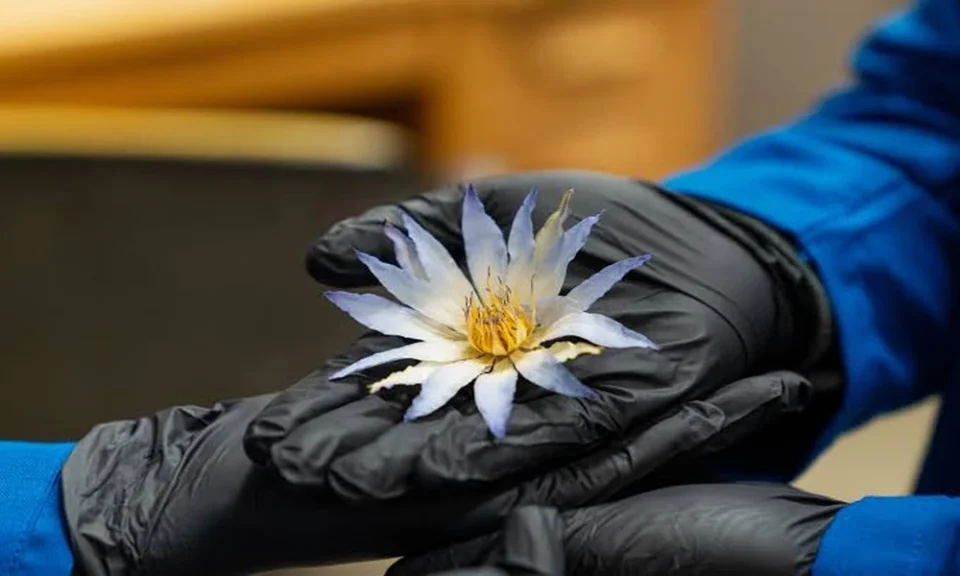
Ingredients rarely arrive with 3,000 years of history behind them. Blue lotus, a water lily revered along the Nile and depicted throughout Egyptian art, spent centuries in ceremonial and traditional use before landing in the gummy aisle of the modern grocery store. Products, including BudPop’s blue lotus gummies sit inside a botanical niche that barely existed commercially a few years ago and now grows quarter over quarter. The appeal starts with the story itself, an ingredient older than most civilisations, selling beside cannabinoids discovered within living memory. Shoppers drawn toward botanical wellness, already comfortable buying ashwagandha and valerian, meet blue lotus as the next chapter of a book they were already reading. Formulators, meanwhile, found the plant blends gracefully beside hemp compounds, giving catalogues a novel line without novel cannabinoid regulatory baggage.
What draws consumers in?
Reported experiences cluster around gentle calm, mild mood lift, and dream-related effects, particularly vivid or lucid dreaming, which built an entire corner of online interest by itself. Compounds native to the plant, nuciferine and apomorphine related alkaloids, appear in traditional accounts and early literature, though rigorous human research remains sparse and honest brands say so plainly. That thin evidence base has not slowed curiosity. Dream community forums, botanical wellness creators, and tea culture all feed steady discovery traffic, and gummies became the format of choice because dosing a standardized extract beats brewing flower petals for consistency every time. The customer arriving here tends toward the curious and the well-read, exactly the buyer who checks certificates and punishes exaggeration.
Legal lane advantages
- Blue lotus faces no federal scheduling, sitting outside controlled substance frameworks entirely.
- One state stands as the notable exception, and careful brands geofence accordingly.
- No milligram caps or hemp-specific packaging rules apply to the botanical itself.
- Importing supply chains from established growers keeps raw material access stable.
- Retail buyers stock it with less hesitation than novel cannabinoids receive.
That regulatory calm is strategic gold in an industry where whole product lines vanish on legislative schedules. A botanical line diversifies catalogue risk while cannabinoid rules keep shifting underneath everything else.
Challenges shape the field
Quiet legality does not mean easy operations. Extract quality varies wildly between suppliers, petal-sourced material differing from stem and leaf blends in alkaloid content, so certificates and supplier audits carry the whole quality burden. Marketing walks its own wire, since dream and mood language drifts toward claims territory that regulators eventually notice. Education spending runs heavy because most shoppers have never heard the plant’s name, and confused shoppers buy nothing. Operators who absorb these costs are effectively building a category’s vocabulary, and vocabulary builders have historically been able to keep the audience they teach by absorbing their costs.
Blue lotus won’t be able to replace cannabinoids on any shelf, nor does it need to be able to. Brands can use hemp to deliver a storied and legal ingredient that is genuinely distinct and genuinely unique at precisely the moment when consumers want botanical depth alongside hemp, and the niche is rewarding brands that make use of this old plant innovatively and ingeniously.
