
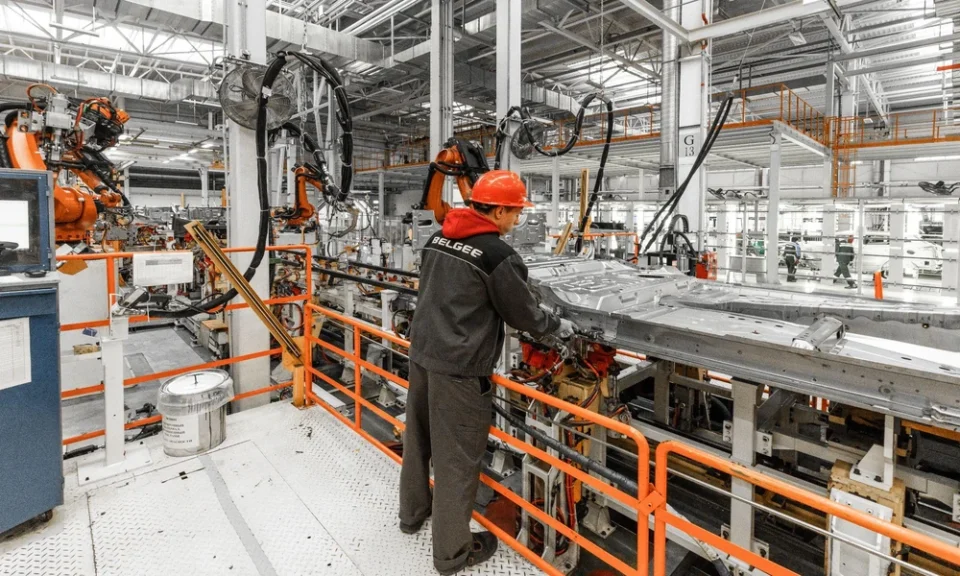
Nowadays, the success of your final product hinges entirely on the quality of its individual components. Whether you manufacture automotive assemblies, heavy industrial machinery, or advanced electronics, sourcing reliable components determines your operational efficiency and market reputation. A single flawed component can trigger expensive line stoppages, product recalls, or severe brand damage.
Selecting the right parts manufacturing company requires far more than comparing price quotes. Engineering teams and procurement managers must evaluate technical expertise, material quality, production flexibility, and supply chain reliability. Asking the right questions early ensures that your manufacturing partner delivers uncompromised quality and supports your business growth seamlessly.
Material Mastery: Assessing Engineering Depth and Alloy Expertise
Every high-performance component relies on precise material science to survive demanding operating environments. Inferior alloys, poor heat treatment, or inconsistent material purity lead to premature wear, structural fatigue, and component failure.
A top-tier parts manufacturing company maintains rigorous material testing protocols and offers deep metallurgical guidance.
- Material Traceability – Look for complete Material Test Reports (MTRs) and mill certifications to guarantee raw material purity and compliance with industry standards.
- Advanced Tooling – Look for high-grade tool and die steels engineered for high volume to ensure consistent dimensional tolerances across millions of press cycles.
- Specialist Components – Look for tailored wiring solutions like high-durability flexible cable to protect dynamic machinery against signal loss and mechanical wear.
- Testing Infrastructure – Look for non-destructive testing, tensile checks, and micro-hardness testing to identify internal structural flaws before components reach assembly lines.
Partnering with a supplier that understands material dynamics ensures that your components withstand extreme mechanical stress, temperature spikes, and harsh environmental conditions.
Tech-Forward Facilities: Evaluating Precision Equipment and Automation
Manufacturing precision technology evolves at a rapid rate. Outdated machinery struggles to maintain tight tolerances, resulting in higher scrap rates and inconsistent product quality. When auditing potential supplier facilities, inspect their machinery park and quality control technology.
Look for suppliers utilising multi-axis CNC machines, automated optical inspection systems, and advanced robotics. Furthermore, evaluate their specialised wiring and power distribution capabilities. Modern automated production lines rely heavily on custom cabling assemblies; sourcing a resilient flexible cable harness that withstands constant bending inside robotic drag chains prevents unexpected electrical breakdowns. Suppliers investing in modern automation deliver higher precision, faster turnaround times, and superior production consistency.
Scalability and Agility: Matching Production Capacity to Your Growth
Your manufacturing needs will evolve. A supplier that handles small prototype batches might struggle when you scale up to mass production. Conversely, massive contract manufacturers might push your smaller orders to the bottom of their priority list.
Assess whether a prospective supplier offers scalable production models. The ideal manufacturing partner manages low-volume prototyping, bridge tooling, and full-scale commercial production under one roof. Flexible scheduling, rapid design iteration support, and agile tooling setup allow your team to respond quickly to sudden market demands and engineering design changes without suffering massive supply delays.
Total Quality Management: Certifications That Guarantee Compliance
Quality assurance should never rely on guesswork or superficial checks. Reliable suppliers embed strict quality management systems (QMS) directly into every stage of their manufacturing workflow, from raw material inspection to final packaging.
Verify that your supplier holds relevant international quality certifications, such as ISO 9001 for general quality management, IATF 16949 for automotive standards, or ISO 13485 for medical devices. These certifications prove that the factory adheres to standardised operating procedures, maintains rigorous documentation, and practices continuous process improvement.
Building a Foundation for Long-Term Manufacturing Success
Choosing a manufacturing partner is one of the most critical strategic decisions your business will make. Evaluating material expertise, machinery capabilities, scalability, and quality certifications equips your team to select a supplier that elevates product quality.
Investing in a reliable, technically proficient manufacturing partner protects your brand reputation, optimises your supply chain, and ensures long-term commercial success.
Frequently Asked Questions
Why is raw material traceability important when sourcing manufactured parts?
Material traceability provides verified documentation confirming the exact chemical composition and mechanical properties of the metals or polymers used, ensuring compliance with strict safety and performance standards.
What is the benefit of using high-durability flexible cable in industrial machinery?
High-durability flexible cables withstand continuous twisting, tight bending radii, and mechanical friction inside dynamic drag chains, preventing insulation tearing and expensive electrical short circuits.
How do ISO certifications protect buyers from defective manufacturing batches?
ISO certifications require suppliers to implement standardised quality checks, calibrated measurement tools, and clear corrective action protocols, drastically reducing defect rates and ensuring batch-to-batch consistency.
Visit Proterial Asia Pacific for industrial solutions tailored specifically to your manufacturing requirements.
