
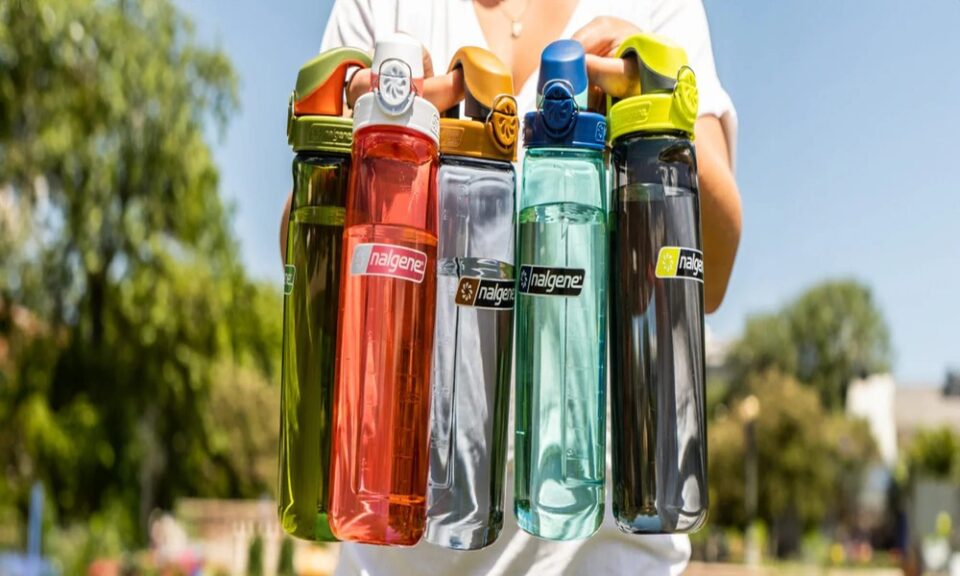
Does washing preserve quality?
Wash cycles are part of everyday bottle care, and what actually happens to the exterior finish over hundreds of those cycles is worth knowing. Nalgene Bottles use materials that hold their finish integrity wash after wash without clouding or softening. Tritan copolyester stays smooth and clear after hand washing and dishwasher cycles alike. The wall material does not pull in moisture or soap residue during washing, so the exterior stays consistent over months of use. Week one and month twelve look the same. That kind of wash stability is built into the material itself rather than depending on any particular washing method or frequency.
Does heat matter?
Dishwasher cycles run hot and do so repeatedly. That sustained heat exposure is where material quality gets tested in a way casual hand washing never replicates. Tritan holds its optical clarity and dimensional form at temperatures standard dishwashers reach during normal cycles. No distortion. No clouding. The finish after the fiftieth wash looks the same as it did after the first. Heat tolerance at this level comes from how the material is formulated rather than from any special handling during washing. Putting a Tritan bottle through a dishwasher regularly without particular care or attention produces the same exterior condition as treating it more carefully would. The material handles it without needing any assistance from the person washing it.
Scratch and wear resistance
Routine handling introduces contact from bag interiors, countertops, and general movement that accumulates gradually over time. Both Tritan and HDPE handle this kind of contact well during extended everyday use without finish compromise.
- Tritan maintains its finish under routine handling conditions over extended use periods without visible degradation occurring.
- HDPE construction handles contact from active and outdoor use without developing markings that affect structural integrity over time.
- Smooth exterior finishes maintain visual quality during routine care when mild methods are used consistently over time.
- Post-consumer recycled resin performs consistently with standard material under equivalent wash frequency over extended periods of use.
- Neither material develops porosity after repeated wash cycles that would affect hygiene or performance in everyday use situations.
Both materials hold their condition reliably during the kind of handling and washing that comes with consistent bottle use over extended periods of time.
Cleaning product effects
Wash products used consistently over routine cycles have a cumulative relationship with exterior condition that single-use washing never fully reveals. Mild dish soap at standard dilution works well with both Tritan and HDPE over extended wash frequency without affecting finish quality or material composition at any stage.
Soft brushes and mild solutions preserve the original finish over the full working life of the bottle effectively. Standard care methods maintain condition reliably without requiring specialist products or extra attention beyond what routine washing already involves naturally. Both materials handle normal wash products well after repeated cycles, keeping the exterior in good condition throughout extended use. A consistent care routine combined with quality material construction is what keeps the finish performing well long after the first months of regular use have passed.
Exterior condition after repeated wash cycles reflects the relationship between material quality and the care method used. Both Tritan and HDPE suit routine washing well, maintaining finish and functional integrity throughout the full period of use without anything beyond standard care practices needed.
