
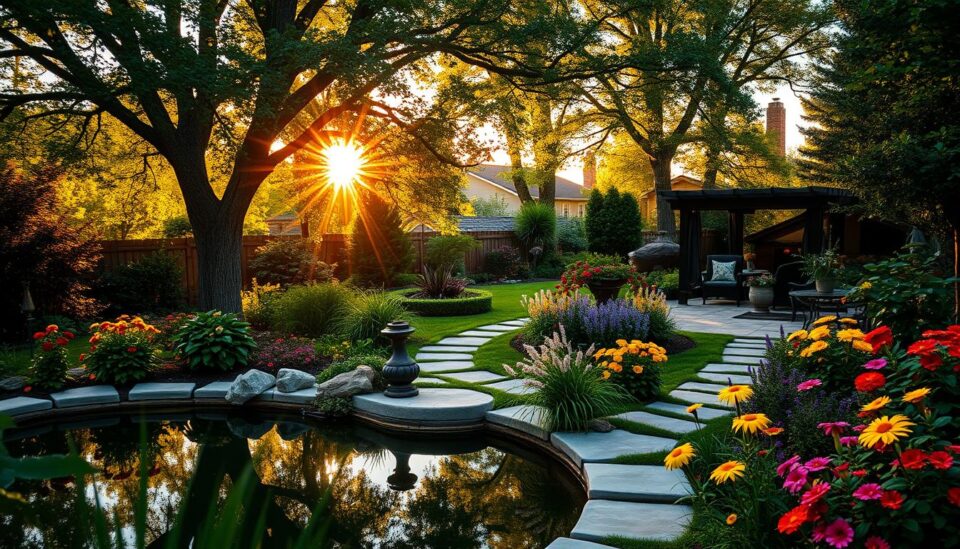
Imagine stepping into your backyard and being greeted by a serene oasis, a space perfectly tailored to your lifestyle and aesthetic preferences. This dream can become a reality with thoughtful landscape design. From lush greenery to inviting entertainment areas, the possibilities are endless when crafting your ideal outdoor retreat. Let’s explore some inspiring ideas to transform your garden into a haven of blissful living.
A well-designed landscape not only enhances the beauty of your property but also adds significant value. It creates a functional and enjoyable space for relaxation, recreation, and social gatherings. Whether you’re looking to create a vibrant entertainment area or a tranquil sanctuary, the right design can bring your vision to life.
Understanding the principles of landscape design
Before diving into specific design ideas, it’s important to understand the fundamental principles that guide effective landscaping. These principles ensure that your garden is not only aesthetically pleasing but also functional and sustainable.
Balance and harmony
Balance refers to the visual equilibrium of your garden. This can be achieved through symmetrical or asymmetrical arrangements of plants, features, and hardscaping elements. Harmony, on the other hand, involves creating a sense of unity and coherence throughout the space. This is achieved by using complementary colours, textures, and forms.
Proportion and scale
Proportion and scale are crucial for creating a visually appealing landscape. Ensure that the size of your plants, features, and structures are proportionate to the overall size of your garden. A large tree in a small courtyard can feel overwhelming, while small plants in a vast garden may get lost. Consider the scale of your house and its surroundings when planning your design.
Unity and repetition
Unity is achieved by creating a cohesive design where all elements work together harmoniously. Repetition is a key tool for achieving unity. Repeating certain plants, colours, or shapes throughout the garden creates a sense of rhythm and visual interest. Avoid monotony by varying the textures and heights of your plants.
Focal points and simplicity
A focal point is a dominant feature that draws the eye and creates visual interest. This could be a striking sculpture, a beautiful water feature, or a vibrant flower bed. Simplicity is also important. Avoid overcrowding your garden with too many elements. A clean and uncluttered design is often more effective than a complex one.
Inspiring landscape design ideas
Now that you understand the basic principles, let’s explore some inspiring ideas to transform your garden into a blissful retreat.
Creating an outdoor living room
Extend your living space outdoors by creating a comfortable and inviting outdoor living room. This can be achieved by incorporating comfortable seating, a fire pit, and ambient lighting. Add an outdoor rug and cushions to create a cosy and inviting atmosphere. Consider adding a pergola or awning for shade and protection from the elements. What better way to enjoy a warm evening than relaxing in your own private outdoor haven?
Designing a tranquil water garden
Water features can add a sense of tranquility and serenity to your garden. A small pond, a bubbling fountain, or a cascading waterfall can create a soothing atmosphere. Surround the water feature with lush greenery and rocks to create a natural and inviting space. Consider adding aquatic plants and fish to enhance the beauty of your water garden.
Embracing native plants and sustainable landscaping
Using native plants in your landscape design offers numerous benefits. Native plants are well-adapted to the local climate and soil conditions, requiring less water and maintenance. They also attract native wildlife, such as birds and butterflies, creating a vibrant and ecologically friendly garden. Sustainable landscaping practices, such as composting and rainwater harvesting, can further reduce your environmental impact.
Incorporating edible gardens
Growing your own fruits, vegetables, and herbs can be a rewarding and sustainable way to enhance your landscape. A kitchen garden can be both beautiful and functional. Plant herbs in containers near your kitchen for easy access. Create raised garden beds for growing vegetables and fruits. Consider adding a small greenhouse to extend your growing season.
Illuminating your landscape with outdoor lighting
Outdoor lighting can transform your garden into a magical space at night. Use a combination of ambient, task, and accent lighting to create a layered and inviting atmosphere. String lights can add a touch of whimsy, while spotlights can highlight architectural features or specimen plants. Path lighting is essential for safety and navigation. Consider using solar-powered lights to reduce your energy consumption.
The importance of professional landscape design
While it’s possible to design your own garden, engaging a professional landscape designer can offer numerous benefits. A skilled designer can bring expertise and creativity to the project, ensuring that your garden is not only beautiful but also functional and sustainable.
Expertise and creativity
Professional designers possess a deep understanding of landscape design principles, plant selection, and construction techniques. They can help you create a cohesive and visually appealing design that meets your specific needs and preferences. They can also offer creative solutions to challenging site conditions.
Saving time and money
While hiring a designer may seem like an added expense, it can actually save you time and money in the long run. A designer can help you avoid costly mistakes, such as choosing the wrong plants or installing ineffective irrigation systems. They can also help you source materials at competitive prices.
Ensuring sustainability and functionality
A professional designer can help you create a sustainable landscape that minimises water consumption, reduces maintenance, and enhances biodiversity. They can also ensure that your garden is functional and meets your specific needs, whether you’re looking for a space for entertaining, relaxing, or growing food.
Creating the perfect pool area with pool landscaping
A pool is a fantastic addition to any backyard, and the right landscaping can transform it into a stunning oasis. Pool landscaping is about more than just planting a few shrubs; it’s about creating a cohesive and inviting space that complements your pool and enhances your outdoor living experience.
Consider the overall style of your home and garden when planning your pool landscaping. A modern home might benefit from sleek, minimalist landscaping with clean lines and geometric shapes. A traditional home might be better suited to a more lush and romantic garden with flowing curves and colourful flowers. The key is to create a design that feels natural and harmonious with its surroundings.
Choosing the right plants for your pool area
When selecting plants for your pool area, consider factors such as sun exposure, soil type, and water availability. Choose plants that are salt-tolerant, drought-resistant, and low-maintenance. Avoid plants that drop a lot of leaves or attract bees, as these can create a mess and detract from your enjoyment of the pool. Palms, succulents, and ornamental grasses are all excellent choices for pool landscaping.
Incorporating hardscaping elements
Hardscaping elements, such as paving, retaining walls, and decks, are essential for creating a functional and visually appealing pool area. Choose materials that are durable, slip-resistant, and aesthetically pleasing. Natural stone, concrete pavers, and timber decking are all popular choices. Consider adding a pergola or shade structure to provide relief from the sun. A well-designed pool area should be both beautiful and practical.
Adding water features and lighting
Water features and lighting can add a touch of luxury and sophistication to your pool area. A cascading waterfall, a bubbling fountain, or a series of jets can create a soothing and inviting atmosphere. Underwater lighting can enhance the beauty of your pool at night, while landscape lighting can highlight architectural features and specimen plants. Consider using energy-efficient LED lighting to reduce your energy consumption.
Maintaining your pool landscaping
Proper maintenance is essential for keeping your pool landscaping looking its best. Regularly prune and fertilize your plants to keep them healthy and vibrant. Clean your paving and decking to remove dirt and algae. Check your irrigation system to ensure that it’s working properly. A well-maintained pool area will provide years of enjoyment.
FAQs about landscape design
How much does landscape design cost?
The cost of landscape design varies depending on the size and complexity of the project. It’s best to get quotes from several designers to compare prices and services.
How long does it take to complete a landscape design project?
The timeline for a landscape design project can range from a few weeks to several months, depending on the scope of the work.
What are the benefits of using native plants?
Native plants are well-adapted to the local climate, require less water and maintenance, and attract native wildlife.
How can I make my garden more sustainable?
You can make your garden more sustainable by using native plants, composting, rainwater harvesting, and reducing your use of pesticides and fertilizers.
What are some low-maintenance landscaping options?
Low-maintenance landscaping options include using drought-resistant plants, incorporating gravel or mulch, and installing automated irrigation systems.
