
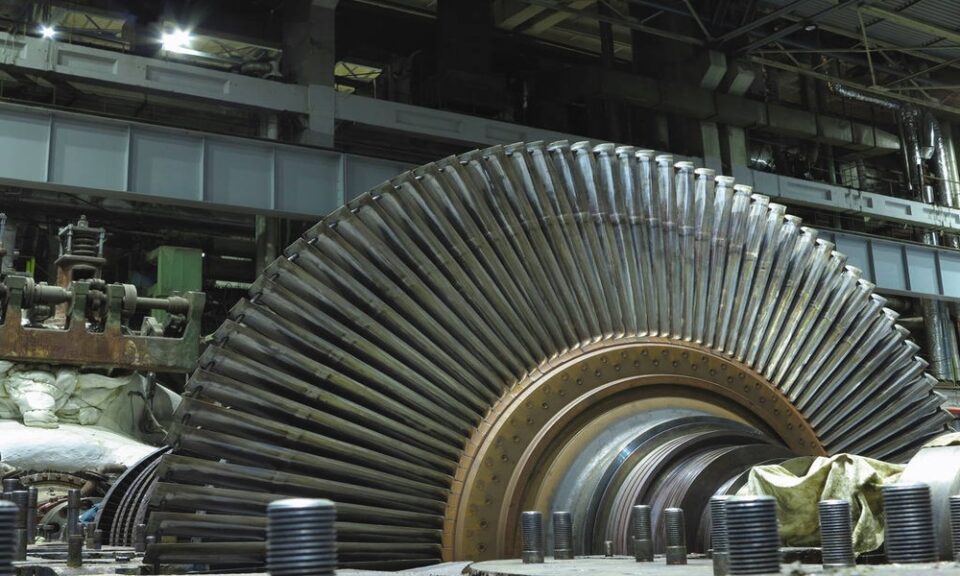
Gas turbines play an important role in power generating, aviation and industrial services and in these areas efficiency and reliability are vital. The rotor is the most crucial component of these systems and it is a high-speed rotating assembly that is critical in energy conversion. Due to its extremely hot working conditions, high pressure, and stress, the rotor is especially prone to wear and tear. The repair of gas turbine rotors is thus an important procedure as it assists in performance maintenance, longer service of equipment and avoidance of expensive failures.
Understanding the Gas Turbine Rotor
A gas turbine rotor is a complicated unit that usually comprises a shaft, compressor stages and turbine blades. These parts are rotated at very high speeds and they may be in thousands of revolutions per minute. The rotor is exposed to severe centrifugal forces and thermal gradients during operation that may have an impact on material integrity. The accuracy with which rotor design is done implies that any slight accident or imbalance may have a lot of consequences on the overall performance of the turbine and its safety. Visit https://www.linkedin.com/posts/binda-jain-67ab2828_gasturbine-powerplant-activity-7385521465296666624-OXM1 to read more.
Common Causes of Rotor Damage
Various operational and environmental conditions can cause rotor damage. The operating temperature may result in thermal fatigue, creep, and degradation of the material. Through continuous rotating stresses, mechanical stress can occur, resulting in cracks or deformation. Also, corrosion and oxidation are frequent, particularly when it is wet, some chemicals or air contaminants are present. Foreign object damage (FOD) is another significant source of damage, where any type of debris gets into the turbine and strikes the blades or the shaft. When these problems are not properly addressed they may lead to severe mechanical breakdowns.
Inspection and Diagnostic Techniques
Effective rotor repair is based on accurate inspection. Technicians use non-destructive testing (NDT) techniques to detect the flaw without causing an extra impairment. Ultrasonic testing, radiographic testing, magnetic particle inspection and dye penetrant testing are some techniques that are generally applied to detect cracks, voids, corrosions and cracks. Besides this, dimensional analysis and vibration analysis can be used to determine the balance and alignment of the rotor. Early and accurate diagnosis enables the maintenance teams to decide on the most suitable repair strategy to adopt and prevent unnecessary downtime.
Repair Techniques and Restoration Processes
The process of gas turbine rotor repair encompasses various specialized processes that aim at restoring structural integrity and performance. Cracks and worn surfaces or damaged tips of blades are often repaired by welding and brazing. The accurate machining process is used to recreate original size and surface finishes, which guarantee good fit and functionality. In some cases, heat treatment processes are used to improve the mechanical properties of the material, such as strength and resistance to fatigue. The high-tech coating technologies such as thermal barrier coating and anti-corrosion coating are also utilized to protect the components against extreme working conditions.
Balancing and Alignment
Rotor balancing is a very important process after repair work has been done to maintain smooth and stable operation. The slightest of imbalances will cause excessive vibration, which in turn can dissolve bearings, seals, and other turbine parts. High-precision balancing instruments are used by technicians to balance the mass uniformly over the rotor. Appropriate tracking of the turbine with the stationary system is also checked to ensure efficiency and minimum mechanical stress. This is necessary to make sure that the repaired rotor can work under operating conditions.
Benefits of Professional Rotor Repair
Hiring professional services to repair gas turbine rotors has great benefits. The qualified technicians possess the equipment, skills and machinery necessary to carry out the complicated repairs to the highest standards in the industry. Professional repair services will aid in extending the working life of costly turbine parts, minimize the risk of unplanned breakdowns, and minimize downtime. In most instances, repairing a rotor is much cheaper than replacing it altogether; therefore, it comes in handy as a viable solution in ensuring the systems remain operational.
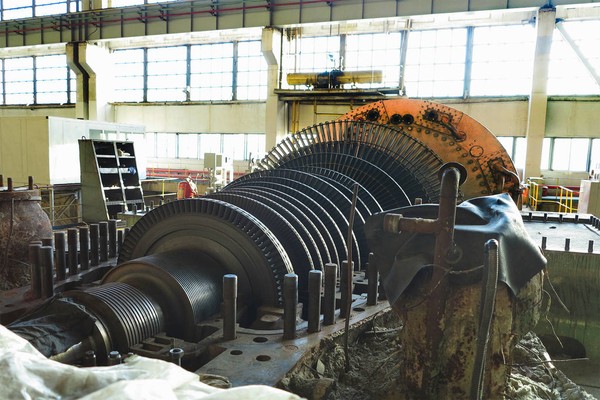
Preventive Maintenance and Monitoring
Preventive maintenance is crucial in minimizing the occurrence of rotor damage and its severity. Regular maintenance, adequate lubrication and maintenance of recommended operating conditions are an excellent way of lengthening the lives of the turbine parts. Contemporary monitoring systems follow the main performance indicators, including temperature, vibration, and rotational speed, which are informed in real-time, indicating possible problems. Early problem detection by operators allows them to keep costs down and maintenance costs down since repairs are avoided and there is consistent efficient operation. Click this for reference.
Conclusion
The repair of gas turbine rotors is a crucial part of the process of ensuring the reliability and efficiency of the turbine systems of power output and industrial purposes. Damaged rotors may be returned to optimum conditions through sophisticated inspection procedures, helpful repair measures and balancing. These repairs, combined with proactive maintenance and professional supervision, contribute to the overall performance and safety in the long term. High-quality rotor repair can not only preserve the priced equipment but also assist in cost-effective and reliable energy production in the future.
