
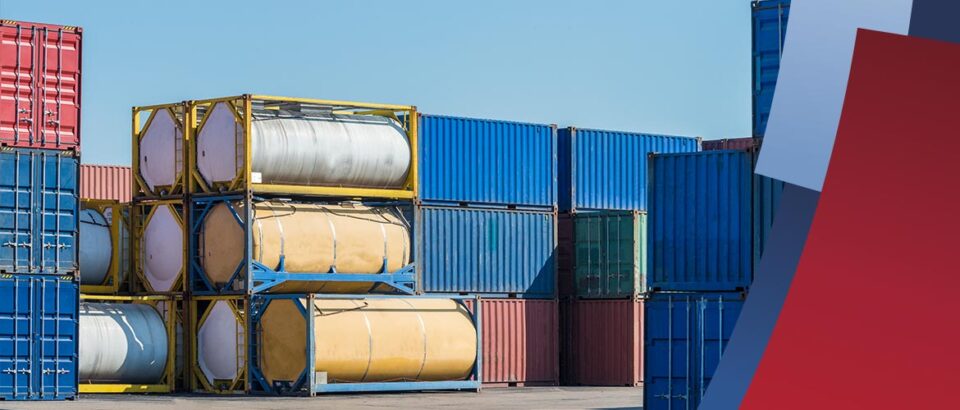
ISO containers are standardized international intermodal containers designed and built to meet the specifications of the International Organization for Standardization (ISO). These highly versatile containers are used to ship products via trucks, boats, or trains.
While ISO containers are designed for quick and efficient transportation, it is vital to understand how to move them properly. There are many variables affecting shipping ISO containers, from the choice of shipping container chassis to weight regulations.
The Container Specifications
The specifications of ISO containers generally affect how they are shipped. One vital factor is their size and weight.
ISO containers typically come in 20, 40, and 45-foot dimensions, and their gross mass must match the design and load capacity of the chassis. For example, ISO containers that exceed the gross weight limits must use a tri-axle chassis to distribute the load evenly and comply with road weight limits.
Additionally, the nature of the goods – such as standard dry goods, liquids, and hazardous materials – dictates the specific chassis features required for safety and stability.
Chassis Compatibility and Condition
Every kind of ISO container has a specific chassis type used to ensure safety and compliance on the road. Depending on the container’s specifications (e.g., height, weight, cargo type), transportation companies are expected to use certain chassis. For example, gooseneck chassis are recommended to comply with height standards for high-cube 40-foot and 45-foot ISO containers.
Moreover, the chassis must be in perfect working condition before allowing travel. This includes functional brakes, properly inflated tires, intact lighting systems, operational landing gear, and sufficient tread depth. Chassis must also have functional locking systems to prevent the container from falling.
Operational and Regulatory Factors
The logistics industry has strict regulations that all supply chain companies must comply with. When shipping ISO containers, operators must adhere to all local, national, and international road safety regulations. These laws may encompass weight limits, licensing, registration, and inspection requirements.
Additionally, operators must consider road conditions and the infrastructure of the destination. Different chassis types may be better suited for specific routes. While there is no standardized best chassis type for rough, uneven terrain, it is essential to choose an intermodal chassis with enhanced durability and stability features.
Achieve Peak Performance with Reliable Intermodal Chassis from CIE Manufacturing
The many rules and factors surrounding ISO container transportation prompt supply chain companies to maintain strict monitoring and operations. This is especially true for chassis selection, as the choice of equipment used can severely impact compliance and performance.
At CIE Manufacturing, we value efficiency in the logistics industry, hence why we manufacture only the most reliable, safe, and durable intermodal chassis for our clients. As a leading chassis provider, we ensure our equipment provides unmatched quality and compliance across networks.
Visit https://ciemanufacturing.com/ to explore our intermodal solutions today.
