
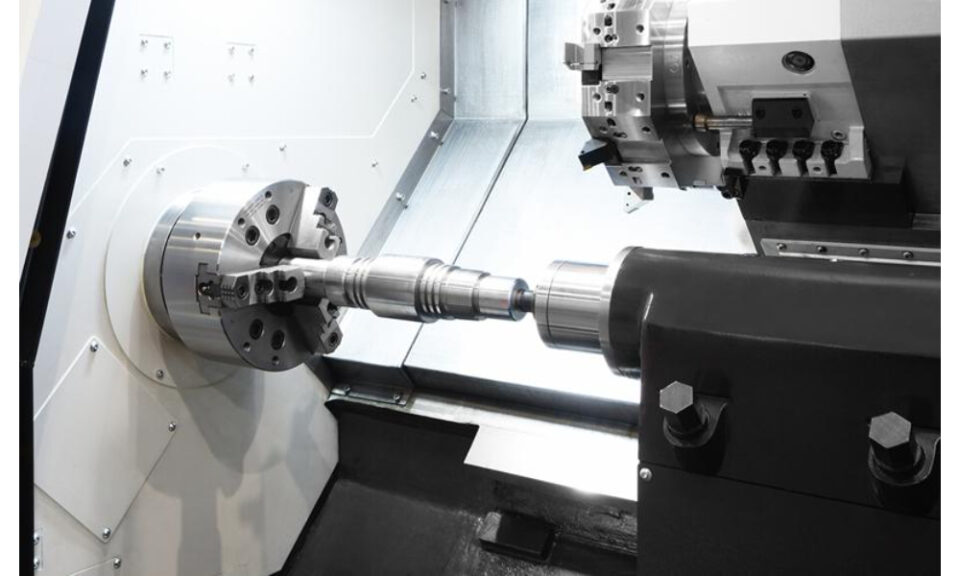
CNC turning has become one of the most versatile and reliable methods in modern manufacturing. Whether used to create car components, medical tools, or aerospace parts, this process delivers exceptional accuracy and consistency. A reliable CNC turning service can shape a wide range of materials, from metals to plastics, making it a popular choice for industries that require both strength and precision. But what materials are most commonly used, and why are they preferred?
Metals That Stand the Test of Time
When it comes to durability, metals remain the top choice for CNC turning. Steel, in particular, is widely used for its strength and ability to withstand extreme conditions. Stainless steel is a go-to material in industries like automotive and food processing, where corrosion resistance is essential. Carbon steel, on the other hand, is prized for its hardness and cost-effectiveness.
Aluminum is another favorite due to its light weight and excellent machinability. It’s commonly used for aerospace and electronic components that require high strength but low weight. Brass and copper are also frequently used for projects that need electrical conductivity and a polished appearance, such as electrical fittings and decorative parts. With the right CNC turning service, these metals can be precisely shaped into parts that meet strict performance and design standards.
The Role of Plastics in CNC Turning
While metals dominate heavy-duty applications, plastics are becoming increasingly popular in CNC turning. Materials like nylon, polycarbonate, and acrylic are chosen for projects where corrosion resistance and flexibility are more important than sheer strength. These materials are especially useful in medical devices, consumer electronics, and prototypes.
Plastics also reduce manufacturing costs and can be machined faster than metals, which helps businesses meet production deadlines without compromising on quality. They are lightweight, easy to shape, and perfect for components that don’t experience intense stress or heat. In recent years, high-performance plastics like PEEK and Delrin have become more common, offering a balance between durability and precision.
Combining Processes for Greater Precision
Manufacturers often combine CNC turning with other machining techniques to achieve complex results. One such complementary method is broaching, which involves cutting precise shapes such as keyways, splines, and holes into a part. This process is ideal for creating internal geometries that CNC turning alone may not achieve.
Broaching can be applied to a variety of materials, including steel, aluminum, and brass. It is especially useful when uniformity and accuracy are essential, such as in automotive gear manufacturing or industrial tool production. When used alongside CNC turning, broaching ensures each component not only fits perfectly but also performs consistently under pressure.
Factors That Influence Material Selection
Choosing the right material for CNC turning involves balancing performance, cost, and the intended use of the final product. For instance, high-stress components often require tough metals like steel or titanium, while parts that need corrosion resistance may use stainless steel or brass. For projects that prioritize speed and affordability, plastics can be the smarter option.
The environment also plays a role. If a component will be exposed to moisture, heat, or chemicals, selecting a resistant material is crucial to ensure longevity. Additionally, machinability matters because it affects production speed and cost efficiency. Working with an experienced CNC turning service can help identify which material best fits your project requirements without overspending or sacrificing quality.
Balancing Strength and Efficiency
Modern manufacturing demands both performance and cost-effectiveness. CNC turning meets these needs by allowing businesses to produce high-quality parts with minimal waste. With the growing availability of materials suited for different conditions, engineers can now fine-tune the balance between strength, precision, and affordability.
Even complex processes like broaching can be seamlessly integrated to produce highly detailed components. By using the right material combinations, manufacturers can ensure every part meets functional demands while maintaining a smooth, professional finish.
Conclusion
The materials used in CNC turning are as diverse as the industries it serves. From strong metals like steel and aluminum to adaptable plastics like nylon and polycarbonate, each offers unique advantages depending on the project’s requirements. When combined with precise techniques such as broaching, the results can exceed expectations in both quality and performance.
If you’re looking to achieve exceptional results for your next manufacturing project, reach out to Disk Precision Group today and discuss which materials best suit your needs.
