
Key Takeaways
- Strategic LED placement keeps signage legible at night, guiding attention across streets.
- Balanced brightness and contrast keep lettering distinct against dark backgrounds.
- Sightline positioning helps passersby register branding quickly during brief glances.
- Acrylic panels spread light evenly, reducing hotspots and improving readability.
Introduction
Night changes how a building is noticed. Structure fades into shadow, leaving visibility to carry the load. That shift is shaped by professionals who manage how signage appears once daylight drops, including signboard makers in Singapore who refine placement and lighting. At that point, illumination takes over, with lighted building signs keeping names readable through controlled brightness, steady contrast, plus placement that fits how people move after dark.
Visibility That Extends Beyond Daylight
Illumination That Defines Structure
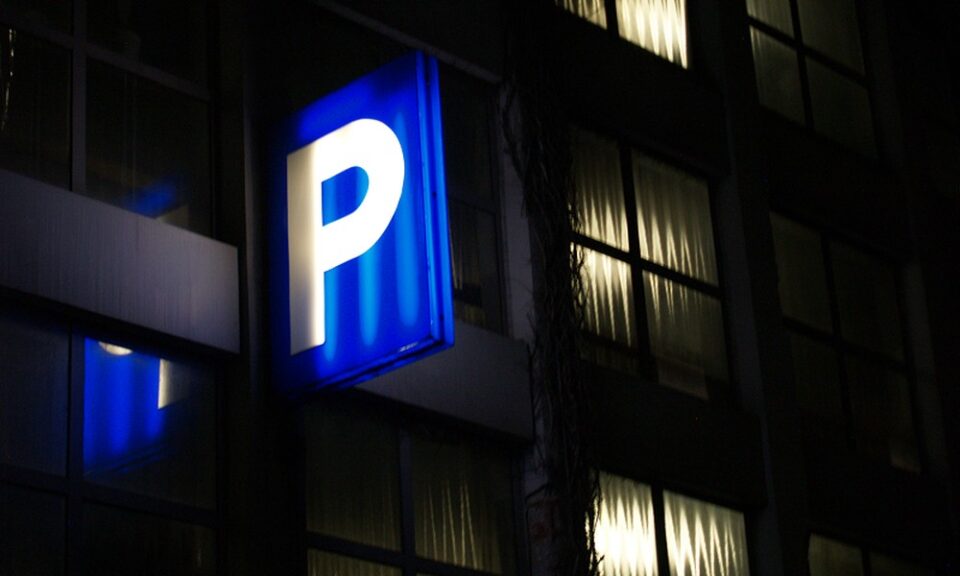
Look at a facade after dusk. Edges soften, details blur, outlines lose strength. Those lines return through even illumination, as lighted building signs outline lettering so names remain readable from a distance. Acrylic helps spread that light evenly, preventing harsh spots that can distract the eye. The result feels clear without adding visual weight.
Contrast That Cuts Through Darkness
Background detail drops at night, which changes how text stands out. Brightness levels and colour pairing are adjusted so lettering stays distinct, a process handled by signboard makers in Singapore. Strong contrast keeps characters from blending into darker surfaces. Clear separation also reduces the need for repeated glances, which helps people recognise names quickly.
Placement That Matches Night Movement
Positioning That Catches Passing Attention
Movement at night feels quicker, attention spans shrink, glances become shorter. Placed along direct sightlines, lighted building signs catch that passing attention. Visibility within a short window becomes more important than prolonged viewing. Placement along common paths keeps branding within immediate reach of the eye.
Height That Supports Long-Range Viewing
Distance increases after sunset, which changes how signage is read. Displays are positioned higher along building faces so visibility holds across wider viewing angles, a decision often guided by signboard makers in Singapore. Elevated placement reduces obstruction from street-level activity. It also keeps lettering readable from across roads or open areas.
Lighting Choices That Shape Perception
Keeping Light Clear Without Harsh Glare
Night viewing depends on how light is handled, since too much brightness can wash out details and make people look away. Lower output creates a different problem, where text fades and becomes harder to read from across the street. With lighted building signs, diffused LEDs spread light more evenly across each letter, helping the display stay consistent without obvious bright spots. A well-balanced setup keeps the wording easy to read for longer, even when people only glance at it.
Choosing the Right Light Colour
Light colour changes how a building appears at night, shaping how the signage is noticed from a distance. Tone selection matches surrounding conditions, with signboard makers in Singapore choosing suitable colour temperatures. Warmer tones soften the appearance, cooler tones create sharper contrast. Matching the tone to the environment keeps the display consistent.
How Materials Shape Light Output
Acrylic Panels That Even Out Brightness
Material choice changes how illumination behaves across a sign, and acrylic handles that task with consistency. In lighted building signs, acrylic panels spread light across the surface, avoiding patchy areas and keeping each letter evenly lit. Even coverage limits harsh spots that pull attention away from the text. Readability improves from different angles, which helps viewers pick up information without shifting position.
Surface Finish That Influences Reflection
Finishing changes how light behaves. Gloss finishes reflect more light, while matte finishes reduce glare and keep the surface easier to read. Signboard makers in Singapore select finishes based on how reflections should appear. Controlled reflection keeps lettering readable without unwanted shine.
Conclusion
Night-time visibility depends on control. Balanced brightness, thoughtful placement, plus materials that work with light keep branding readable in lighted building signs. Clear visibility supports recognition from a distance and across different angles. Consistency holds even as surrounding details fade, ensuring branding remains noticeable even in changing light conditions.
Contact My First Sign today and create a building display that remains visible long after the sun sets. Get guidance on placement, brightness levels, and finishes so your sign stays clear from multiple angles and distances throughout the evening.
