
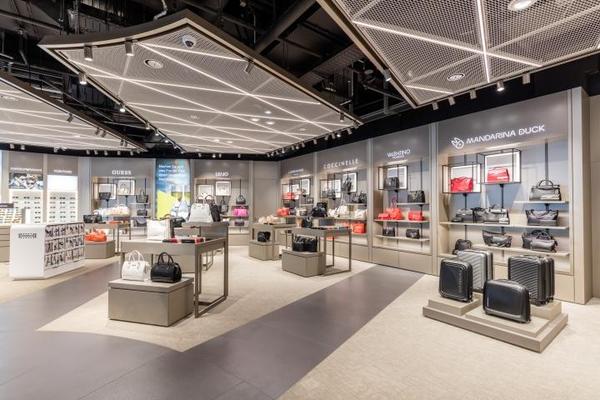
In today’s competitive retail environment, customer experience is everything. A well-designed store can make the difference between someone browsing casually and someone making a purchase. While product quality and customer service matter, the store layout is often the silent influencer of shopping behavior. This is where a retail architect comes in. More than just designers, retail architects specialize in creating spaces that enhance functionality, flow, and overall shopper satisfaction.
Why Store Layout Matters
The layout of a store is more than aesthetics—it directly affects customer behavior, sales, and brand perception. Poorly designed spaces can cause:
- Congestion in high-traffic areas.
- Confusion about product locations.
- Frustration due to poor signage or navigation.
- Lost sales opportunities if customers leave without exploring key sections.
On the other hand, an optimized layout encourages customers to spend more time in-store, discover new products, and enjoy the shopping journey.
The Role of a Retail Architect
Retail architects combine architectural expertise with a deep understanding of consumer psychology and retail trends. Their role goes beyond making a store look attractive—they focus on strategic design that maximizes efficiency and profitability.
Some of their core responsibilities include:
- Analyzing customer flow to determine where shoppers naturally move within the store.
- Designing layouts that balance aesthetics with functionality.
- Incorporating branding into the physical space.
- Optimizing lighting and signage to guide shoppers and highlight key products.
- Creating flexible spaces that adapt to changing inventory or seasonal needs.
Key Store Layout Improvements by Retail Architects
1. Traffic Flow Optimization
By studying customer movement patterns, architects create layouts that reduce congestion and guide shoppers through high-margin product zones.
2. Strategic Product Placement
From impulse-buy items near the checkout to bestsellers at eye level, retail architects know how to position products for maximum visibility and sales impact.
3. Enhanced Store Atmosphere
Lighting, color schemes, and spatial design all influence mood. A retail architect ensures the atmosphere aligns with brand identity and encourages longer visits.
4. Accessibility and Comfort
Well-designed layouts consider diverse customer needs, from wheelchair accessibility to clear signage for efficient navigation.
5. Multi-Channel Integration
As more retailers blend physical and digital shopping, architects design layouts that accommodate kiosks, pickup stations, or interactive displays.
Trusted Expertise in Retail Architecture
Retailers looking to transform their spaces often turn to established firms that specialize in this field. Many businesses rely on professionals such as Stendel + Reich retail architect, known for their expertise in creating layouts that merge aesthetic appeal with commercial strategy. With an eye for detail and a focus on customer engagement, such firms help stores not just look better—but perform better.
The Business Benefits of Improved Layouts
Investing in a retail architect can deliver measurable returns:
- Increased sales through better product visibility.
- Improved customer satisfaction from easier navigation.
- Stronger brand identity with consistent design elements.
- Operational efficiency for staff, reducing restocking time and improving workflow.
Final Thoughts
Yes—a retail architect can significantly improve store layouts. By blending design, strategy, and consumer psychology, they create spaces that encourage exploration, enhance customer experience, and ultimately drive sales.
