
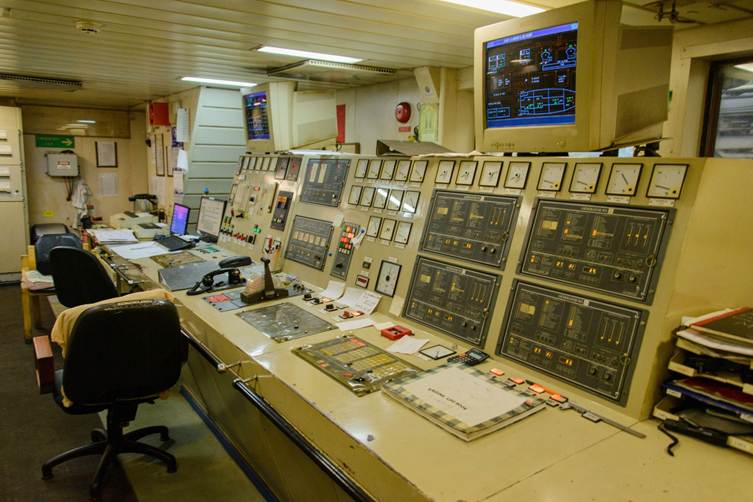
Marine fire incidents escalate fast, so early detection must be dependable in heat, vibration, and salt-laden air. Choosing the right smoke alarm suppliers shapes that reliability more than any single device. Focus on compliance, environmental robustness, integration, and predictable support across long refit cycles. With a structured brief, you can standardise detection across a fleet and reduce false alarms that interrupt operations.
1. Align to Marine Codes and Class Rules
Start with regulation. Confirm International Convention for the Safety of Life at Sea (SOLAS) and International Maritime Organisation (IMO) approvals, then match class requirements for your vessels. Ask suppliers to provide marine type-approval certificates for detectors, panels, and interfaces, not just general industrial paperwork. Check zone design guidance for accommodation spaces, control rooms, galleys, holds, and machinery spaces. To enable surveyors to swiftly confirm compliance during audits and port calls, make sure documentation aligns neatly with your designs.
2. Specify Sensor Technologies by Space
Different compartments demand different detection methods. In cabins and corridors, photoelectric point detectors handle visible smoke effectively with fewer false triggers. In machinery spaces, multi-sensor devices that combine optical, heat, and sometimes CO sensing respond faster to fast-rising temperatures and oily aerosols. Choose linear beam detection for high, open volumes, and aspirating systems for critical rooms where early-warning and continuous sampling matter. For hazardous areas, insist on certified Ex-rated models suited to the gas group and temperature class.
3. Demand Environmental Hardening and EMC Proof
Ships punish electronics. Specify ingress protection ratings that match washdown and humidity, salt-mist corrosion testing, and vibration endurance to marine profiles. Verify wide operating temperature ranges, conformal coatings, and gasket materials that resist fuel vapours. Ask for electromagnetic compatibility (EMC) test reports to ensure detectors and panels do not misbehave near radios, VHF, radar, drives, or high-current switchboards. Hardware that survives the environment prevents nuisance alarms and reduces unplanned maintenance.
4. Plan Addressable Integration and Bridge Workflows
Modern marine fire safety depends on clarity at the bridge. Choose addressable systems that pinpoint device identity, deck, and compartment, with zone maps that match your safety plan. Confirm native interfaces to public address/general alarm (PA/GA), voyage data recorder (VDR), engine room shutdowns, and ventilation dampers where applicable. Require event logs with time-stamps, exportable reports, and configurable alarm priorities so drills mirror real workflows. If you operate mixed fleets, assess protocol gateways that let legacy loops coexist during phased refits.
5. Verify Installation Method and Cabling Standards
Design out headaches before yard time. Ensure support for marine-approved, fire-resistant cables, correct loop lengths, and redundancy so a single fault does not blind a deck. Specify detector bases with locking features, moisture barriers, and clear terminals that speed swaps at sea. For galleys and laundries, add heat detectors to limit false alarms from steam. In cold stores, use devices tested against condensation. The right bill of materials shortens commissioning and keeps spares consistent fleetwide.
6. Make Maintenance Predictable and Drill-Friendly
Routine proves readiness. Require built-in self-tests, drift compensation, and maintenance alerts so crews can service before false alarms start. Request certified aerosols or test lamps, documented test procedures, and spare parts kits that are the right size for the duration of the cruise. Ensure your chosen smoke alarm suppliers offer e-learning modules, laminated checklists, and quick reference cards for muster leaders. Align maintenance intervals with port schedules and plan detector rotation during dry-dock so accommodation areas never fall out of coverage.
7. Secure Supply, Spares, and Technical Support
At sea, the best device is the one you can replace. Prioritise suppliers with Singapore-region stock, 24/7 technical helplines, and clear escalation to engineering. Include guaranteed last-time-buy windows for end-of-life parts, with backwards-compatible replacements. Ask for serialised device tracking and warranty terms that acknowledge marine duty cycles. When equipment ages or routes change, certifications are maintained and downtime is minimised thanks to stable logistics and documented change management.
Conclusion
Effective marine fire safety combines compliant detection, rugged design, precise integration, and a maintenance model that crews can execute during real operations. When your smoke alarm suppliers prove approvals, environmental fitness, addressable clarity, and dependable support, you reduce false alarms and shorten response time where seconds matter. Treat selection as a fleet standardisation project rather than a one-off purchase, and your vessels gain consistent protection from berth to blue water.
Contact Atlas Technologies to request a vessel-by-vessel detection audit, a class-aligned device shortlist, and an integration plan that standardises addressable smoke detection across your fleet with training, spares, and drill-ready documentation.
