
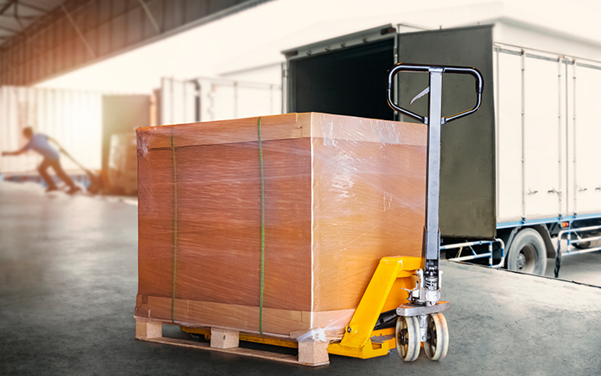
Efficient machinery packing is crucial for successful project logistics, especially when companies transport heavy, oversized, or sensitive equipment. Proper packing protects machinery from impact, vibration, moisture, and mishandling throughout local or overseas transport. It also ensures compliance with international freight regulations and reduces the risk of costly delays. Businesses handling industrial machinery, construction equipment, or manufacturing systems benefit greatly from structured machinery packing that aligns with project timelines and safety standards.
The Importance of Proper Machinery Packing
Machinery often contains precision components, electrical systems, and sensitive parts that require strong protection. The goal of machinery packing is to secure the equipment from all angles, preventing movement during transport. When packing is done correctly, companies avoid damage that could lead to operational downtime or expensive repairs. This makes proper packing essential not only for physical protection but also for the financial health of any project.
In large-scale project logistics, timing and coordination matter as much as protection. Poor packing can cause delays at customs, handling points, or loading sites, which can disrupt entire project schedules. Wooden cases, crates, and customised packing frames help ensure the equipment withstands long-haul journeys. Many companies work with experienced providers such as Sin Chew Woodpaq, who specialise in customised industrial packing solutions that support safe and efficient logistics planning.
Key Components of Effective Machinery Packing
Successful machinery packing begins with a comprehensive assessment of the equipment. Factors such as weight, fragility, dimensions, and mode of transport determine the type of packing required. Heavy machinery may require reinforced wooden cases, while equipment with delicate components might require shock-absorbing materials. Packing teams create tailored solutions to ensure stability, limiting the risk of internal shifting during movement.
Protective materials are another essential component. Foam padding, desiccant packs, rust-prevention coatings, and vacuum sealing are commonly used to shield equipment from vibration and moisture. In project logistics, sea freight is common, making moisture control especially crucial. Teams also use lifting points, skid bases, and internal bracing to support safe loading and unloading. Each material plays a specific role in minimising risk throughout each transport stage.
5 Machinery Packing Methods Used in Project Logistics
There are several proven techniques used in machinery packing, depending on equipment type and logistical requirements. Common methods include:
- Wooden crating – Provides strong external protection and allows easy stacking.
- Vacuum packing – Removes air to prevent corrosion for metal components.
- Shrink-wrapping – Offers dust and moisture protection for indoor or short-distance transport.
- Skid-based packing – Useful for heavy or irregularly shaped machinery that requires a stable base support.
- Containerised packing – Ideal for large machinery shipped in standard or open-top containers.
In project logistics, teams often combine multiple methods to ensure comprehensive protection. For example, heavy machinery may be vacuum-packed first, then crated in reinforced wooden cases. This layered strategy helps mitigate various environmental and handling risks that occur during long journeys.
The Role of Professional Expertise in Logistics Success
Experienced professionals are crucial to achieving reliable machinery packing. They understand safety standards, transport regulations, and engineering requirements. Packing specialists evaluate risk factors, select suitable materials, and ensure that each item is secured according to the project’s needs. This reduces the likelihood of damage, holds, or rejections during customs checks.
Working with a trusted provider such as Sin Chew Woodpaq offers additional assurance. Their experience in industrial packing ensures that equipment meets international requirements such as ISPM 15, which governs wood treatment for export. Professionals also coordinate with logistics teams to align packing activities with transport schedules, supporting timely project delivery.
Conclusion
Proper machinery packing is essential for the success of any project logistics operation. With customised packing solutions, high-quality materials, and professional expertise, businesses can protect their equipment, reduce delays, and maintain project efficiency. Working with specialists like Sin Chew Woodpaq ensures that every machine is packed securely and prepared to withstand complex logistical demands from start to finish.
Contact Sin Chew Woodpaq today for professional support in project logistics.
