
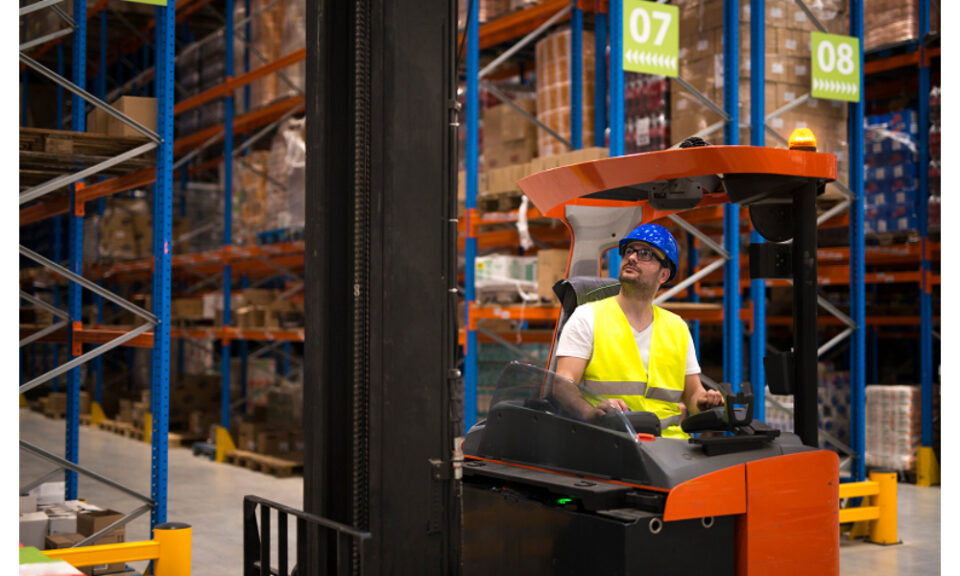
Factories and warehouses often rely on well-trained staff and efficient systems to keep operations. Yet the unseen hero of the industrial floor is usually the machinery working behind everything. Before diving into the benefits, let’s highlight the importance of material handling equipment, which forms the backbone of productivity and safety across logistics, storage, and construction sectors.
Here are several overlooked advantages that can transform day-to-day operations.
1. Reduces Human Strain and Prevents Fatigue
Many companies focus on speed and output but forget the toll repetitive lifting takes on workers. Heavy or awkward loads increase the risk of injury and slow performance over time. Using material handling equipment minimises this strain by automating or assisting in tasks that would otherwise require excessive manual effort.
Overhead cranes, conveyors, and pallet trucks reduce risk of bending, twisting, and lifting motions. The result is a workforce that remains energetic and less prone to repetitive strain injuries. It also reduces absenteeism due to muscle or joint fatigue, an issue that quietly drains productivity in many facilities.
2. Enhances Space Use and Workflow Efficiency
Most warehouses face the same problem, like too little space for growing inventory. Strategic use of equipment can help with that. Mechanical lifts and vertical storage systems allow businesses to stack goods safely and utilise cubic rather than just floor space. This shift opens room for better traffic flow and clearer pathways for workers and forklifts.
A warehouse that integrates smart material handling equipment sees smoother operations because every move has a purpose. By reorganising flow around automated lifts or transport systems, bottlenecks are reduced, and goods spend less time waiting to be moved or sorted. Over time, that efficiency translates directly into cost savings.
3. Improves Accuracy and Reduces Damage
When goods frequently travel through human hands, the risk of mishandling increases. The use of precise lifting tools, such as a forklift attachment, makes it easier to handle fragile or awkward loads securely. Attachments like clamps, rotators, and extensions allow flexibility to adapt to the shape or size of various products.
By matching the right attachment with the right job, materials are lifted safely and placed accurately. This not only prevents costly breakage but also cuts time spent inspecting and repackaging damaged goods. Such precision promotes consistency, especially in industries like food storage, automotive assembly, or electronics.
4. Strengthens Safety Culture on the Floor
Safety is rarely an accident. Investing in reliable material handling tools signals a company’s commitment to worker wellbeing. Properly maintained systems protect both employees and stock, especially in busy environments where collisions or drops can happen. Training operators on equipment use fosters awareness of load limits and traffic routes, further reducing incident risks.
Many businesses overlook how safety improvements ripple through morale and retention. When workers feel secure, they are more likely to stay engaged and handle tasks confidently. This trust in the system helps cultivate a professional culture that values accountability and care.
5. Adapts to Growth Without Major Overhaul
One underappreciated advantage of modern handling equipment is scalability. Businesses can upgrade specific components or add attachments instead of replacing entire machines. As production demands increase, additional forklift attachment options can adapt to new load types, allowing expansion without halting operations.
Flexibility ensures continuity even during seasonal peaks or layout changes. Companies can match resources to evolving needs instead of committing to large, inflexible systems. This gradual adaptability prevents waste and supports long-term sustainability.
Conclusion
The hidden benefits of using material handling equipment extend beyond lifting and moving goods. They influence workplace health, reduce operational waste, and allow facilities to scale smartly without compromising safety or efficiency. By combining reliable systems with proper training and thoughtful layout planning, every movement in the warehouse can contribute to measurable gains.
For companies aiming to elevate their operations sustainably, understanding how these tools integrate with existing workflows is the first step toward consistent progress.
Contact Sunstream Industries to explore equipment options that fit your warehouse and handling needs.
