
Buddhism, one of the oldest spiritual traditions in the world, carries a deeply rooted perspective on death and the afterlife. The customs surrounding Buddhist funerals have evolved over centuries, yet they continue to reflect core values such as impermanence, compassion and rebirth. In Singapore, these practices have been adapted to suit the local multicultural context, with offerings such as a Buddhist funeral package in Singapore ensuring that both tradition and practicality are honoured.
Origins Of Buddhist Funeral Rites
The earliest Buddhist funeral traditions date back to the time of Siddhartha Gautama, the historical Buddha, who lived in the 5th to 6th century BCE in India. According to ancient texts, his body was cremated in a ceremony attended by his followers, who built stupas to house his relics. This cremation set the foundation for many Buddhist death rituals, particularly the emphasis on simplicity and mindfulness during the transition from life to death.
The historical influence of Hinduism is also evident, as early Buddhist rites adopted certain Vedic elements such as chanting, offerings and fire ceremonies. However, Buddhism diverged significantly in its teachings about karma and rebirth, viewing death not as an end but as a step in the cycle of samsara.
The Spread And Transformation Across Asia
As Buddhism spread from India to other parts of Asia, funeral customs adapted to local cultures and beliefs. In China, where Mahayana Buddhism took root, funerals became more elaborate, involving detailed ceremonies that lasted several days. The use of joss paper offerings, elaborate chanting rituals, and merit-making activities became central elements of Chinese Buddhist funeral practices.
In Southeast Asia, Theravāda Buddhism, particularly in countries like Thailand and Myanmar, emphasised simpler rites focused on transferring merit to the deceased through acts such as almsgiving and prayer recitations. These regional adaptations illustrate how the core beliefs remained, while the expressions varied widely depending on cultural norms.
Buddhist Funerals In Modern-Day Singapore
Singapore’s Buddhist community primarily follows Mahayana traditions, influenced by Chinese, Tibetan, and Southeast Asian practices. Buddhist funerals today are a harmonious blend of ancient rituals and contemporary sensibilities. With urban living and practical constraints in mind, many families now turn to a structured Buddhist funeral package that provides everything from chanting services and casket arrangements to cremation and columbarium support.
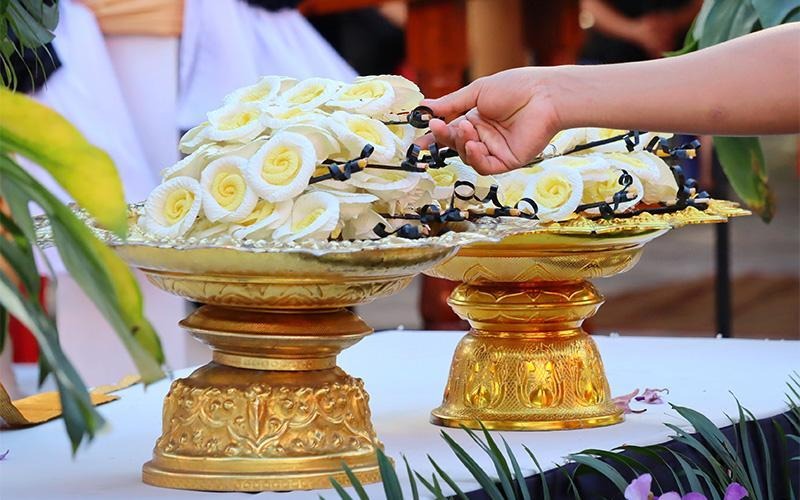
The goal of a Buddhist funeral is to help the deceased transition smoothly into their next life, while also bringing peace to the grieving family. Ceremonies often include the presence of monks who lead prayers and sutra chanting, believed to generate merit for the deceased. Offerings such as incense, flowers, fruit, and symbolic paper items are common features, reinforcing ideas of generosity and spiritual purification.
Symbolism And Beliefs Surrounding Death
In Buddhism, the moment of death is considered critically important as it influences the rebirth of the soul. The state of mind at death, coupled with karma from past actions, determines one’s next existence. Funeral rites are therefore designed not only to honour the departed but also to guide their consciousness toward a favourable rebirth.
This is why rituals such as the “transference of merit” are performed—family members or friends engage in good deeds, such as making donations or supporting temples, and dedicate the merit to the deceased. These actions reflect Buddhist values of compassion, mindfulness, and interdependence.
In the context of funeral planning, many families in Singapore now choose a Buddhist funeral package in Singapore that simplifies the arrangements while retaining spiritual depth. These packages typically cover essential elements while offering flexibility for families to include traditional touches or personal preferences.
The Relevance Of Ritual In Contemporary Society
Even as society modernises, the relevance of Buddhist funeral rites remains significant in providing emotional closure and spiritual comfort. These ceremonies create a structured environment for grief, remembrance and hope. In urban centres like Singapore, where families juggle busy lives, professionally arranged funeral packages ensure that meaningful rituals are not lost amidst logistical challenges.
Moreover, these rites serve an important communal function. Attending a Buddhist funeral is not just about paying respects; it is also about participating in a collective affirmation of life’s transient nature and the enduring values of compassion and mindfulness.
Today, a comprehensive Buddhist funeral package caters not only to religious needs but also to administrative and emotional aspects, allowing families to focus on remembrance without being overwhelmed by the details.
Conclusion
The history of Buddhist funerals is a tapestry of ancient wisdom, regional adaptation and modern-day relevance. Rooted in deep spiritual beliefs and expressed through symbolic rituals, these funerals remain an integral part of Buddhist culture. As Singaporeans navigate the delicate process of bidding farewell to loved ones, choosing the right Buddhist funeral package offers both respect for tradition and the comfort of guided support.
Reach out to Confidence Funeral Services today and explore a thoughtfully designed Buddhist funeral package for your loved ones.
