
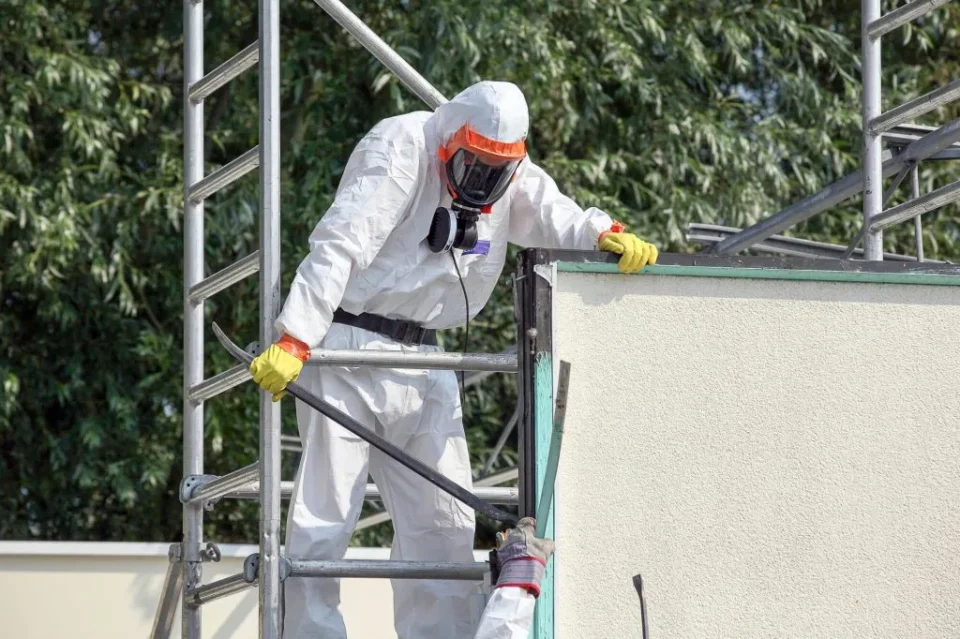
Older buildings often hold hidden materials containing asbestos from earlier construction times. These stay stable when undisturbed yet become harmful if handled poorly during repairs or changes. Selecting trained specialists ensures careful processes that reduce risks for occupants and nearby areas. Licensed asbestos removal tweed heads matter because they applies proven techniques and meets required safety guidelines.
Identifying Asbestos Presence
Many structures built decades ago include asbestos in insulation, roofing, or flooring. Visual checks alone cannot confirm its existence reliably every time. Professional surveys use samples and lab tests for accurate results. Early detection helps plan safe management without surprise issues later.
Health Risks Explained
Microscopic fibres release into air when materials break or get cut. Prolonged breathing of these particles links to lung conditions and other illnesses. Short exposures carry lower chances yet still concern experts greatly. Safe practices limit fibre spread and protect everyone involved.
Mandatory Legal Rules
Authorities set clear laws requiring licences for asbestos work. Only certified individuals handle larger quantities or specific types legally. Violations bring penalties and raise contamination possibilities significantly. Adhering to regulations safeguards workers plus the general public.
Training for Workers
Licensed asbestos removal tweed heads complete thorough courses on hazard control methods. They learn correct use of equipment and emergency steps fully. Ongoing education keeps skills current with new guidelines always. This preparation allows confident handling of complex situations safely.
Safe Removal Process
Experts set up sealed zones to contain fibres during work. They wet materials to prevent dust and use special vacuums. Careful packing moves waste without leaks or spills occurring. Final cleaning verifies no remnants stay behind afterward.
Advantages of Professionals
- Experts apply proven containment barriers effectively
- Special tools capture airborne particles completely
- Waste goes to approved facilities only
- Reports document full compliance details
- Protection covers unexpected problems arising
Typical Handling Mistakes
Property owners sometimes attempt self removal to lower expenses. This often disturbs fibres more and spreads them widely. Missing proper gear leads to direct contact risks. Such errors create larger cleanup needs eventually.
Correct Disposal Methods
Sealed bags and labelled containers hold removed materials securely. Transport follows strict routes to licensed sites alone. Records track every step for authority checks if needed. This system prevents environmental release entirely.
Maintaining Property Value
Safe asbestos clearance improves building condition and appeal. Potential buyers prefer properties without known hazards remaining. Proper records show responsible management over time. This step supports higher assessments and easier sales.
Long Term Protection Steps
Regular inspections catch issues before they worsen greatly. Encapsulation seals materials in place as another option sometimes. Monitoring ensures ongoing safety for all users consistently. Proactive measures deliver lasting benefits reliably.
Relying on certified specialists minimizes dangers while complying with all requirements fully. It avoids future health troubles and costly fixes from poor practices. Choosing qualified help early secures better outcomes for properties and residents alike. Professionals delivers the dependable expertise essential.
FAQs
How to spot possible asbestos in buildings?
Hire experts for surveys and tests to confirm presence accurately.
What protective gear do removal teams need?
Teams wear full suits, masks, and gloves for safety always.
Why avoid self removal of asbestos materials?
Self attempts risk fibre spread and serious legal violations quickly.
