
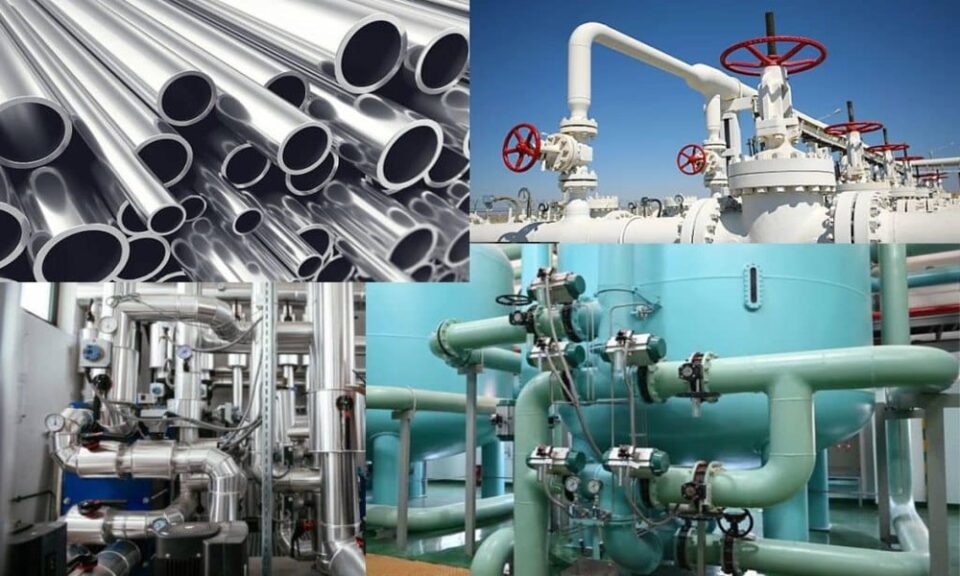
Industrial piping systems often operate in harsh environments where chemicals, moisture, and high temperatures can accelerate corrosion. Selecting the right pipework material is critical to ensure safety, reliability, and longevity.
In the UK, facilities in chemical processing, water treatment, and food production must carefully consider material properties when designing or upgrading piping systems.
Understanding Corrosion in Industrial Pipework
Corrosion is the gradual degradation of metal caused by chemical reactions with the surrounding environment. It can lead to:
- Leaks and reduced system efficiency
- Equipment damage and unplanned downtime
- Safety hazards due to fluid leaks or structural failures
Choosing materials that resist corrosion helps prevent these issues, reducing maintenance costs and improving system longevity.
Key Factors in Material Selection
1. Fluid Compatibility
Consider the chemical composition of the fluid being transported. Stainless steel, PVC, and high performance alloys are often used depending on whether the system carries acids, alkalis, water, or hydrocarbons.
2. Temperature Resistance
High temperature fluids can accelerate corrosion and stress materials. Metals like stainless steel or special alloys handle heat better than standard carbon steel or plastic options.
3. Pressure Rating
Materials must be able to withstand both internal and external pressures without deformation or failure. Pressure rating often dictates wall thickness and profile.
4. Environmental Conditions
External factors such as humidity, exposure to chemicals, or UV light can impact the lifespan of the pipework. Coatings or corrosion-resistant alloys help maintain performance in challenging conditions.
5. Maintenance and Longevity
Some materials require more frequent inspection or replacement. Choosing a more durable material may involve higher upfront costs but reduces long-term maintenance and downtime.
Common Pipework Materials for Corrosive Environments
- Stainless Steel: Offers excellent corrosion resistance and durability, suitable for aggressive fluids and high temperatures.
- PVC and CPVC: Lightweight and chemical-resistant options for moderate pressure and temperature conditions.
- Copper and Brass: Often used in water systems; corrosion-resistant but may not handle all chemicals.
- High Performance Alloys: Nickel based or duplex stainless steels for extremely corrosive or high-pressure systems.
Selecting the correct material depends on a combination of the fluid type, environmental conditions, and operational demands.
Applications in UK Industry
- Chemical Processing Plants: Handling acids, alkalis, and reactive substances safely.
- Water and Wastewater Treatment: Ensuring corrosion-resistant pipelines for long term reliability.
- Food and Beverage Production: Maintaining hygiene while resisting cleaning chemicals.
- Power Generation: Steam and water systems that operate under high temperature and pressure.
Using appropriate materials reduces the risk of leaks, contamination, and structural failures across these applications.
Frequently Asked Questions
Can standard carbon steel be used in corrosive environments?
It depends on the fluid and conditions. Carbon steel may require coatings or linings; otherwise, corrosion can occur quickly.
Are plastic pipes suitable for high temperature applications?
PVC and CPVC have temperature limits and may not be suitable for very hot fluids. Metal alloys are often preferred in high-temperature environments.
How often should corrosive pipework be inspected?
Inspection frequency depends on fluid type, material, and usage, but regular monitoring is essential to prevent unexpected failures.
Is upfront investment in corrosion resistant materials worth it?
Yes. Investing in durable materials reduces maintenance costs, downtime, and the risk of leaks or safety incidents.
Final Thoughts
Selecting the correct pipework material for corrosive environments is essential for safe and efficient industrial operations. Considering fluid compatibility, temperature, pressure, and environmental factors ensures long lasting performance and minimises maintenance.
By investing in corrosion resistant pipework materials, UK facilities can protect equipment, enhance system reliability, and maintain safety standards.
