
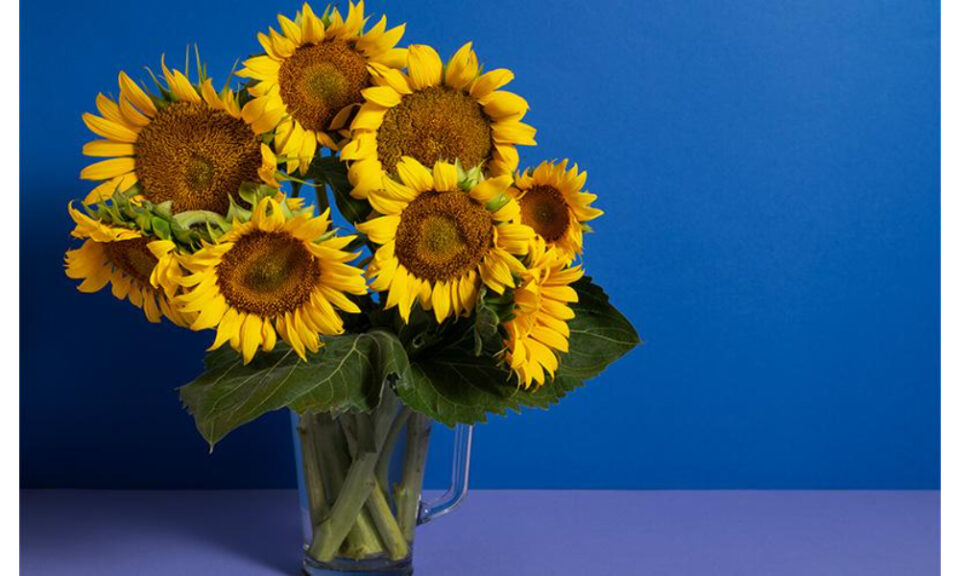
There’s something disarmingly magnetic about the sunflower. Its vibrant hue, towering stature, and unapologetic cheerfulness have made it a frequent subject in countless works of art across centuries. Among art students, the allure runs especially deep — not just for aesthetic reasons, but for the symbolic weight and emotional range the flower carries. From sketchbooks and oil canvases to textile experiments and sculpture, the sunflower endures as a muse. This article explores why it resonates deeply within art education and practice, dissecting the aesthetic, symbolic, and technical appeal that keeps students returning.
A Masterclass in Form and Colour
The sunflower is a marvel of structure, offering visual complexity that art students find irresistible. Its golden petals contrast boldly with the dark centre, creating a vibrant interplay of light and shadow that challenges painters to work beyond flat colour. In terms of shape, it’s equally engaging — radial symmetry, geometric regularity, and natural imperfection all wrapped into one subject. For anyone refining their observational skills, this flower is more than just a bright yellow bloom; it’s an intricate lesson in composition.
Watercolourists may be drawn to the translucent glow of the petals, while those using charcoal or pencil focus on texture and line. The sheer height and posture of a sunflower in a still-life setup introduce perspective exercises, and its tendency to follow the sun adds an element of movement that begs to be captured. Art students quickly discover that depicting a sunflower isn’t as simple as it first appears. In this way, the flower offers a kind of visual honesty: it rewards patience and technique, making it the perfect subject for refining artistic discipline.
Symbolism and Sentiment
Beyond its physical beauty, the sunflower carries rich symbolic weight, universally associated with happiness, optimism, and resilience, it speaks to the qualities many aspiring artists seek to express or emulate in their work. It’s well-known for facing the sun (heliotropism). These themes are particularly potent during the formative years of an artist’s education when self-expression and personal exploration take centre stage.
Many students begin their artistic journey by tapping into deeply emotional or philosophical ideas. The sunflower, as a subject, offers space to project these ideas without descending into cliché. It doesn’t carry the romantic baggage of a flower bouquet or the sombreness of a lily, yet it remains expressive and layered. Whether used in abstract experiments, emotive colour studies, or symbolist portraits, its recognisable form adds warmth and relatability to even the most avant-garde piece.
Vincent van Gogh’s series of sunflower paintings often emerges as a point of study, not simply for their artistic brilliance but for the emotional vulnerability they convey. Students find in these works a connection between technical skill and raw feeling — a benchmark they aspire to reach. The sunflower, then, becomes more than a visual subject; it transforms into a vehicle for emotional honesty.
The Practical Benefits for Art Students
Art school is as much about discipline and routine as creativity. In that regard, the sunflower provides reliable consistency. Its availability throughout the year means students can revisit it throughout their course, tracking improvements in their technique or exploring it through different media. Unlike more delicate flowers, it withstands time in a studio environment without wilting too quickly, allowing for prolonged observation.
It’s also incredibly versatile in terms of context. A sunflower fits into modern, classical, abstract, and conceptual work with equal ease. It can be deconstructed into pattern studies, rendered meticulously in a hyperrealistic style, or flattened and stylised into pop-art motifs. Art instructors frequently recommend it as a still-life subject for these very reasons — it stretches the artist without overwhelming them.
From a budgetary perspective, it’s accessible. Art students typically work within tight means, and sourcing complex or exotic still-life elements isn’t always feasible. The sunflower, with its striking visual presence and affordability, fills that gap. It looks good alone or in bunches, serves a range of purposes, and feels familiar without being dull.
The sunflower has, in many ways, become an unspoken rite of passage for art students. It challenges their hand, awakens their imagination, and grounds their exploration of beauty and meaning. Its continued presence in sketchpads and studio corners across art schools worldwide is no coincidence. Few subjects offer as much potential for learning, reflection, and artistic growth.
Looking to work with fresh sunflowers for your next creative project? Reach out to JM Flower today and let us help bring that golden brilliance into your studio.
