
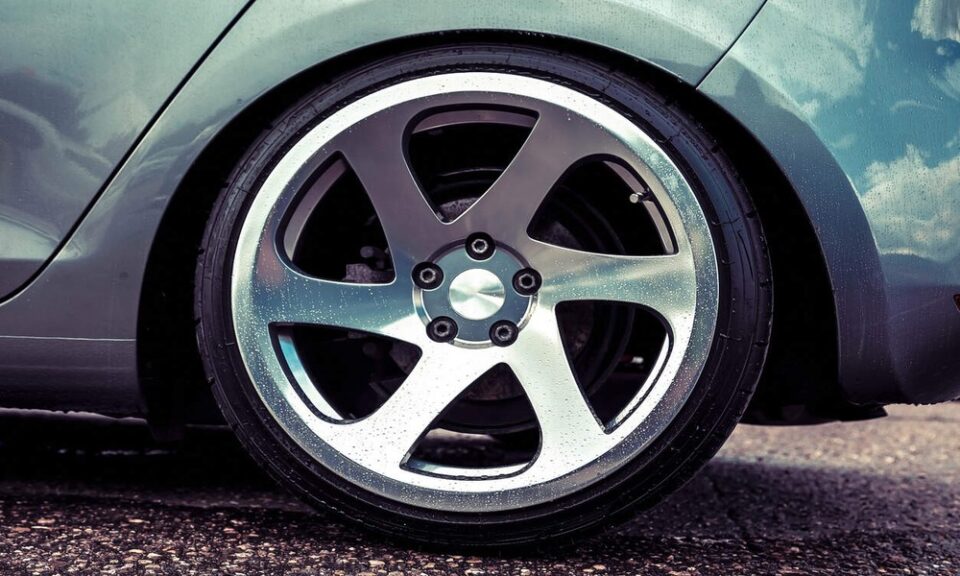
Why wheel aesthetics matter in fleet purchasing decisions
For fleet owners, upgrading wheel aesthetics is no longer just about appearance. It directly influences how a company is perceived by clients, partners, and even competitors on the road. A well-maintained and visually consistent fleet signals professionalism and operational discipline, which can indirectly support business reputation and trust.
Balancing appearance with operational requirements
While visual appeal is important, fleet owners must ensure that any wheel upgrade does not compromise performance or safety. Factors such as weight distribution, durability, and compatibility with existing wheel systems should always be evaluated first. Aesthetic improvements should complement operational efficiency rather than interfere with it.
Material selection and long-term value
One of the most critical decisions in wheel aesthetic upgrades is material choice. Different materials offer varying levels of durability, corrosion resistance, and maintenance requirements. High-quality materials may have a higher upfront cost but often reduce long-term replacement and maintenance expenses, making them more cost-effective over time.
Compatibility across mixed fleets
Fleet operators often manage vehicles from multiple manufacturers, which makes standardization a key concern. Ensuring compatibility across different models helps maintain a uniform look and simplifies maintenance processes. In this context, CHEVROLET WHEEL SIMULATORS are frequently used because they help achieve consistent wheel styling across compatible fleet vehicles while maintaining structural fitment reliability.
Maintenance expectations after upgrades
Before upgrading, fleet owners should understand how maintenance routines may change. Some aesthetic enhancements require regular cleaning or inspection to maintain their appearance and performance. Choosing low-maintenance solutions helps reduce downtime and ensures that vehicles remain operational for longer periods without additional workload.
Installation and professional handling
Proper installation plays a major role in the success of wheel aesthetic upgrades. Incorrect fitting can lead to vibration issues, uneven wear, or premature damage. It is always recommended that installation be handled by experienced technicians or performed according to manufacturer guidelines to ensure safety and durability.
Cost considerations beyond initial purchase
Fleet owners should evaluate the total cost of ownership rather than just the initial purchase price. This includes installation costs, maintenance frequency, replacement cycles, and potential downtime. A slightly higher upfront investment may result in significantly lower long-term operational costs.
Brand image and customer perception
Wheel aesthetics contribute to the overall visual identity of a fleet. Consistent and clean-looking vehicles enhance brand recognition and create a positive impression during deliveries and on-road visibility. This makes aesthetic upgrades a strategic branding decision, not just a cosmetic one.
Making informed upgrade decisions
Choosing the right wheel aesthetic upgrade requires balancing durability, compatibility, maintenance needs, and brand goals. A structured evaluation process helps fleet owners make informed decisions that improve both vehicle appearance and operational efficiency over time.
