
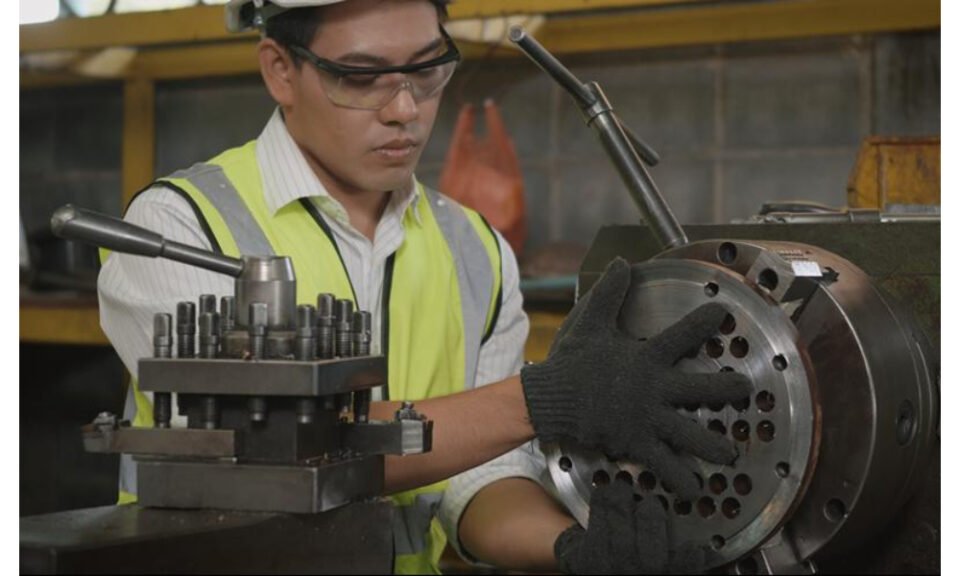
Getting started with CNC milling machining can feel intimidating at first. With all the gears, tools, and control panels involved, it’s easy to feel overwhelmed. But once you understand the basic steps, the process becomes much more approachable. Whether you’re setting up a machine for a new workshop or starting as a beginner machinist, knowing how to properly prepare, install, and calibrate your CNC milling equipment will make a world of difference in your results.
Understanding the Basics of CNC Milling
Before diving into setup, it’s important to grasp what CNC milling machining actually is. CNC, or Computer Numerical Control, uses software to automate the cutting process. Instead of manually controlling the machine, you use programmed commands to guide the cutting tools with accuracy and consistency. This method is used to shape metal, plastic, or composite materials into precise parts for industries like automotive, aerospace, and electronics.
For beginners, starting small is often the best approach. Understanding your machine’s structure, such as the spindle, worktable, and axes (X, Y, Z), helps you navigate setup with confidence. Knowing how each component interacts gives you better control during the cutting process.
Preparing the Workspace
Before powering on the machine, make sure your workspace is ready. A clean and organised area ensures both safety and efficiency. Remove debris or leftover materials from previous jobs, as even a small chip can affect accuracy. Lighting also plays a key role; make sure your work area is well lit to clearly see tool paths and part alignment.
When installing your CNC milling machine, make sure it is placed on a stable and level surface. Any unevenness can cause vibration, which affects precision during machining. Once in place, check all electrical connections and power supply requirements according to the manufacturer’s manual. This helps prevent short circuits or unwanted power fluctuations.
Setting Up the Machine for Operation
Now comes the exciting part, setting up your machine for actual operation. Start by powering it on and performing a quick diagnostic check. Many modern machines come with built-in calibration features that allow you to verify everything is functioning properly before starting a job.
Next, load your tools into the tool holders. Each cutting tool serves a specific purpose, such as drilling, facing, or contouring. Make sure the tool is properly seated and tightened. Use the correct spindle speed and feed rate settings depending on the type of material you’re working with. This is where understanding your machine’s software becomes essential, as it allows you to input the right parameters for the job.
If you’re working with complex parts, a trusted precision machining company can provide valuable guidance. They often have expert technicians who specialise in programming and fine-tuning CNC systems for maximum efficiency. Learning from their experience can help you avoid costly beginner mistakes.
Calibrating and Testing the Machine
Calibration is one of the most critical steps in setting up CNC milling machining. It ensures that the tool paths align perfectly with your programmed design. Begin by zeroing the machine, which means setting the starting point for all three axes. Using a dial indicator or touch probe helps you accurately measure and adjust alignment.
Once calibration is complete, perform a dry run without material. This test helps confirm that your program is error-free and that the tool movement is smooth. Watch for unexpected motion or vibration, as these could indicate loose components or incorrect parameters. After verifying everything works properly, you’re ready to start your first cutting operation.
Maintaining Accuracy Over Time
Even after successful setup, regular maintenance keeps your machine performing at its best. Clean the work area after each session to remove chips and coolant residue. Check for wear on cutting tools and replace them when needed to maintain consistent quality. Lubrication is also essential as it keeps the mechanical parts moving smoothly and reduces friction.
Partnering with a precision machining company can be a smart long-term move. These companies often provide maintenance services, technical support, and training that help extend your machine’s lifespan. They can also advise on software upgrades and advanced techniques to improve productivity and accuracy in your operations.
Conclusion
Setting up a CNC milling machine might seem challenging at first, but once you understand the steps of preparing the workspace, loading tools, calibrating, and testing, it becomes much more manageable. With patience and practice, you’ll soon be producing high-quality parts that meet exact specifications. If you’re ever unsure about programming or maintenance, consulting a precision machining company can make your setup smoother and more efficient.
Contact Disk Precision Group today to learn how to optimise your CNC milling machining setup for long-term success.
