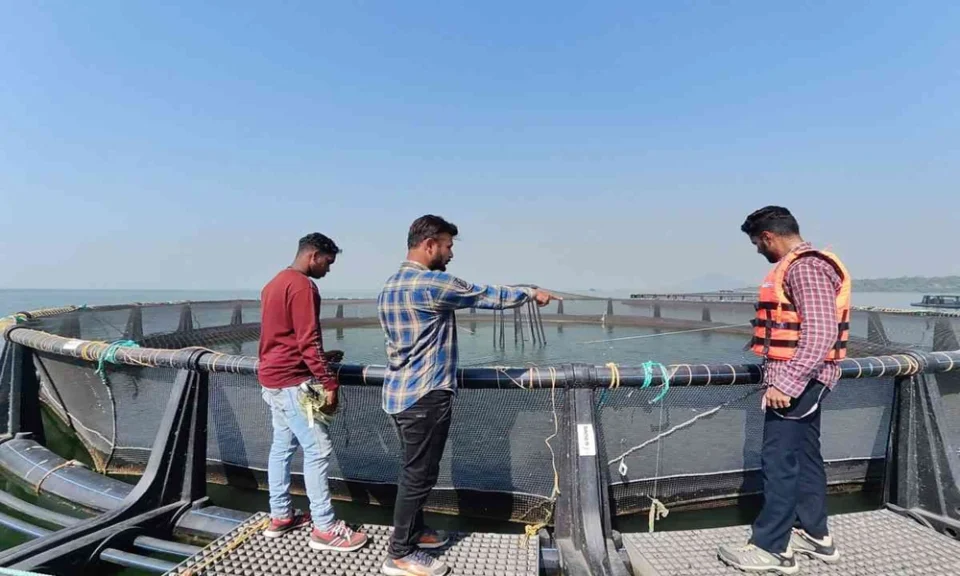
Monsoon season tests every fish farm, but it hits aquaculture cage culture operations the hardest. Cages sit directly in open water, exposed to swelling currents, sudden temperature drops, and runoff carrying silt, pesticides, and waste from upstream. A few weeks of poor preparation can wipe out months of growth. With the right routines in place, though, most losses during heavy rains are preventable.
Why Rainy Season Is So Risky for Cage Farms
Heavy rainfall changes water almost overnight. Oxygen levels drop as organic matter washes in and decomposes. Salinity swings in brackish and coastal systems as freshwater floods in. Stress from these shifts weakens fish immunity, making outbreaks of fungal and bacterial infections far more common right after storms, a pattern well documented in tropical aquaculture research from institutions studying rainy-season disease spikes in ponds and cages alike.
Strong currents and floating debris add another layer of danger. Logs, plastic, and uprooted vegetation carried downstream can tear nets or damage frames, giving fish an easy route to escape or exposing them to predators.
Inspect Moorings and Cage Structures Before the Rains Peak
Long before the rains, farm operators should walk the entire mooring line. Ropes, anchors, and floats take a beating during the dry months too, so any fraying or corrosion needs fixing early.
Cage frames should be checked for weak joints, and depth should be adjusted where possible. Lowering cages slightly can help fish avoid surface turbulence during storms while still keeping enough clearance from the riverbed or seafloor.
It also helps to double up anchor points on cages placed in fast-flowing rivers or estuaries. A single point of failure during a flash flood can mean losing the entire structure, not just one net panel.
Netting Strength Matters More Than People Think
Net quality is often the difference between a farm that survives a flood season and one that doesn’t. Thin or worn netting stretches and tears under the pressure of debris-laden currents, and once a hole opens, stock losses happen within minutes.
Farmers using a Predator grill net for predator exclusion should inspect knots and seams weekly during the rainy months, since predator pressure tends to rise when floodwaters bring wild fish and other species closer to cage sites. Reinforcing the lower panels, where debris and sediment collect first, reduces the risk of sudden tearing.
Choosing the right mesh size for local conditions, and replacing nets on a fixed schedule rather than waiting for visible damage, is a habit shared by most farms that report fewer flood-related losses year after year.
Manage Water Quality Shifts Proactively
Sudden rainfall can crash dissolved oxygen levels within hours. Portable aerators, where available, offer a quick buffer during the heaviest downpours. Where aerators aren’t practical, reducing stocking density ahead of the monsoon gives each fish more oxygen and space to cope with stress.
Testing water parameters more frequently during and after storms, rather than sticking to a dry-season schedule, catches problems before they turn into mass mortality events. Simple test kits for pH, ammonia, and dissolved oxygen are inexpensive compared to the cost of a wiped-out harvest.
Adjust Feeding and Health Monitoring
Fish under stress eat less efficiently, and uneaten feed only worsens water quality. Reducing feed amounts slightly during heavy rain and switching to easily digestible feed helps track waste and keep the fish healthy.
Health checks should happen daily during storm periods. Early signs like reduced appetite, lethargy, or fin damage often show up before an outbreak becomes visible to the naked eye. Farms that catch these signals early tend to isolate sick stock faster and prevent wider spread within the cage.
Coordinate With Local Fisheries Authorities
Heavy rain rarely affects a single farm in isolation. Entire river stretches, or coastal belts, often face the same flood risk, which is why staying connected with local fisheries departments and extension officers pays off. Early flood warnings, water release schedules from upstream dams, and disease alerts shared through these channels give farmers a head start on protective action.
Many regional fisheries programs also run seasonal advisories specifically for cage operators, covering safe stocking windows and emergency harvest guidance when a major storm is forecast. Tapping into these resources costs nothing and often makes the difference between a controlled response and a scramble.
Building Long-Term Resilience
None of these steps work in isolation. Strong moorings mean little if netting is weak, and good netting won’t help if water quality collapses unnoticed. Farms that treat monsoon preparation as a continuous cycle, rather than a one-time checklist before the rains arrive, consistently report steadier yields and fewer emergency losses.
Cage culture will always carry some exposure to weather, but with routine inspections, smarter stocking decisions, and quick access to local fisheries guidance, most of that risk stays manageable. The farms that come out of monsoon season strongest are usually the ones that started preparing weeks, not days, before the first heavy downpour.