
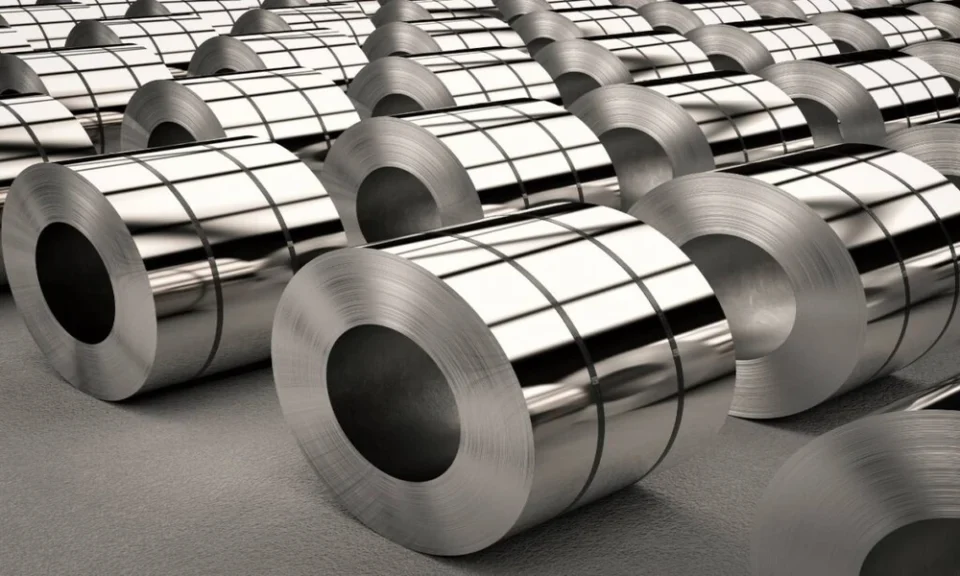
Mining is not a gentle business. Rock, ore, and abrasive material grind against equipment all day, every day, and whatever metal stands in the way needs to survive that punishment without buckling. This is precisely the setting where a heavy-duty steel plate proves its worth, taking on loads and friction that would wear down ordinary materials within months.
This post will discuss how these plates support mining and material handling operations, what properties make them fit for such harsh conditions, and why sourcing quality steel plates matters more than most procurement teams initially realise.
Why Mining Operations Demand Tougher Steel
Unlike a lot of industrial settings, mining doesn’t offer any breathing room for material fatigue. Equipment runs continuously, often around the clock, hauling tonnes of abrasive rock and ore through crushers, conveyors, and chutes. Anything that lines these surfaces has to resist wear at a pace most metals simply cannot handle.
A properly engineered heavy-duty steel platebrings several things to the table that matter a great deal here.
- High resistance to abrasion, so surfaces don’t thin out quickly
- Toughness that holds up against cracking under repeated impact
- Weldability good enough to keep repair and fabrication simple
- Thickness that stays consistent across large surfaces, so weak spots don’t creep in
Cutting corners at this stage rarely ends well. Equipment lined with lower-grade material tends to need repairs or full replacements much sooner than expected, and downtime in mining costs far more than the material itself ever did.
The Cost of Getting It Wrong
Every hour a crusher or conveyor system sits idle for repair, production stalls. Multiply that across a large mining operation, and the financial hit from premature wear adds up fast. Choosing the right steel plates from the outset isn’t just a quality decision; it’s really a cost control decision too.
Where These Plates Show Up in Mining
Crusher Liners
Crushers break down large rocks into smaller, manageable sizes, and the liners inside them absorb constant impact and friction. Plates used here need exceptional hardness combined with enough toughness to avoid shattering under sudden impact loads.
Chute and Hopper Linings
Material sliding down a chute or hopper wears the surface continuously. Lining these areas with wear-resistant plates stretches equipment life out considerably, which means fewer shutdowns for maintenance down the road.
Conveyor Systems
Conveyor structures, including the support frames and wear plates along the belt path, rely on steel that can handle constant vibration, load shifting, and abrasive contact from ore or coal being transported.
Dump Truck and Bucket Bodies
Mining dump trucks and excavator buckets take some of the heaviest abuse on any site. The inner linings of these bodies are usually built from steel plates specifically chosen for abrasion resistance, since ore and rock are loaded and unloaded thousands of times over the equipment’s working life.
Material Handling Beyond Mining
Mining sites aren’t the only ones leaning on tough steel plates. Ports, warehouses, and bulk handling facilities dealing with sand, gravel, cement, and scrap metal all run into similar wear problems. Just at a somewhat different scale.
Common uses in material handling include:
- Storage silo linings for abrasive bulk materials
- Loading dock structures that take repeated impact
- Bucket elevators and screw conveyors are moving granular material
- Structural support frames for heavy machinery
The underlying requirement stays the same across every one of these. Plates need to resist wear and impact, and they need to do it without demanding constant replacement.
What Sets AMNS Steel Plates India Apart
Operators and procurement teams sourcing material for environments this demanding keep coming back to AMNS steel plates India, and there are real, practical reasons why.
- Plates rolled anywhere from 6mm up to 150mm thick, covering a wide range of equipment needs
- Full body ultrasonic testing is done before dispatch, so hidden defects get caught before they ever reach the site
- A spread of grade options built for different applications, everything from general structural work to high abrasion, high impact use
- Large manufacturing capacity from a modern, integrated plant, keeping supply steady even when bulk mining contracts come through
Consistency matters a great deal in this line of work, probably more than people realise until it becomes a problem. Mining projects often call for dozens of plates in one order, and even a small variation in thickness or flatness between batches can throw off alignment during fabrication.
Closing Thoughts
Mining and material handling push equipment to its limits, day after day, without much room for error. A properly specified heavy-duty steel plate stands between smooth operations and constant, expensive downtime. Whether lining a crusher, reinforcing a chute, or supporting a conveyor structure, the right steel plates make a measurable difference in how long equipment lasts and how much maintenance it demands.
For operations across the country looking for consistent quality at scale, AMNS Steel Plates India continues to be a reliable choice, backed by the kind of manufacturing rigour that mining and material handling industries genuinely need.
