
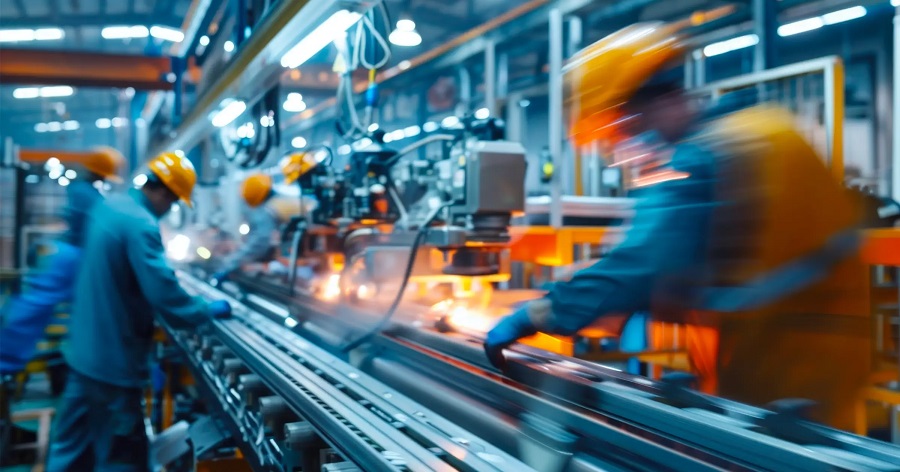
In the modern industrial landscape, operations are more complex, interconnected, and data-driven than ever before. Behind the machinery, infrastructure, and automation that keep factories running, an industrial systems company plays a pivotal role in designing, implementing, and maintaining the technological backbone of production environments. These companies serve as strategic partners for manufacturers, utilities, logistics centres, and large-scale facilities that depend on robust systems to maintain productivity, safety, and regulatory compliance.
An industrial systems company typically specialises in a range of engineering, software, and technological services that support operational efficiency. This can include automation control systems, supervisory control and data acquisition (SCADA) platforms, programmable logic controllers (PLCs), industrial networking, sensors and instrumentation, human-machine interface (HMI) solutions, and integration of Internet of Things (IoT) devices. From legacy plant upgrades to modern smart factory transformations, these systems bridge physical equipment and digital insights.
One of the core strengths of a reputable industrial systems company is its ability to tailor solutions to specific operational needs. No two facilities are exactly alike, and a one-size-fits-all approach often falls short when reliability, uptime, and precision matter most. By conducting detailed needs assessments, systems engineers can map existing workflows, identify bottlenecks, and recommend solutions that align with production goals. Whether the objective is to enhance throughput, reduce energy use, improve safety, or obtain real-time data visibility, customised system design delivers measurable value.
Integration is at the heart of what these companies do. Modern industrial environments often consist of disparate technologies sourced from multiple vendors. Without a unifying system architecture, data silos can emerge, hindering communication and decision-making. An industrial systems company brings expertise in connecting these elements – enabling seamless data flow between PLCs, sensors, enterprise resource planning (ERP) systems, and analytics platforms. The result is a unified technology ecosystem where insights become actionable and downtime becomes predictable rather than unexpected.
Safety and regulatory compliance are critical considerations in industrial operations. Many systems implemented by industrial systems companies include built-in safety mechanisms such as emergency shutdown protocols, process interlocks, fire and gas detection integration, and automated reporting tools. By embedding safety into the operational framework, facilities can protect workers while demonstrating compliance with industry standards and regulations.
Data analytics and condition monitoring have reshaped expectations around performance optimisation. Where previously engineers might rely on periodic manual checks, today’s industrial systems can continuously monitor machine health, production rates, energy consumption, and environmental conditions. Predictive maintenance becomes possible when systems analyse patterns over time, flagging potential issues before they escalate into costly failures. For organisations investing in long-term reliability, this proactive approach pays dividends in reduced downtime and extended asset life.
Software development is another area of competency for leading industrial systems companies. Custom dashboards, mobile monitoring apps, and cloud-connected reporting tools make it easier for managers to access real-time information from anywhere. Cloud integration also supports remote troubleshooting, version control, and secure data storage, enabling teams to act quickly in response to operational changes.
Implementation and commissioning are technical yet crucial phases in any industrial systems project. Skilled technicians and engineers work on site to install hardware, configure software, conduct system testing, and validate performance against design specifications. Training for operations staff further ensures that the workforce understands system functionality, safety protocols, and maintenance procedures. A strong handover process improves user confidence and maximises return on investment.
Maintenance and support services are central to long-term performance. As technologies evolve, systems require updates, patches, calibration, and periodic enhancements. Industrial systems companies often provide service plans that include remote support, on-site visits, spare parts provisioning, and performance audits. This ongoing relationship helps facilities stay current with best practices and extend the usable life of critical infrastructure.
The impact of an effective industrial systems partner extends beyond the walls of production facilities. Enhanced operational visibility supports better forecasting, inventory planning, workforce management, and customer fulfilment. Improved energy efficiency and automation can also contribute to sustainability goals, reducing waste and environmental footprint.
In an era where digital transformation is reshaping industry, the role of an industrial systems company has never been more strategic. Through custom system design, seamless integration, safety compliance, data-driven insights, and continuous support, these organisations help modern manufacturers and facilities operate smarter, safer, and more efficiently. For companies seeking competitive advantage in a demanding market, partnering with the right systems provider is a foundation for innovation and long-term growth.
