
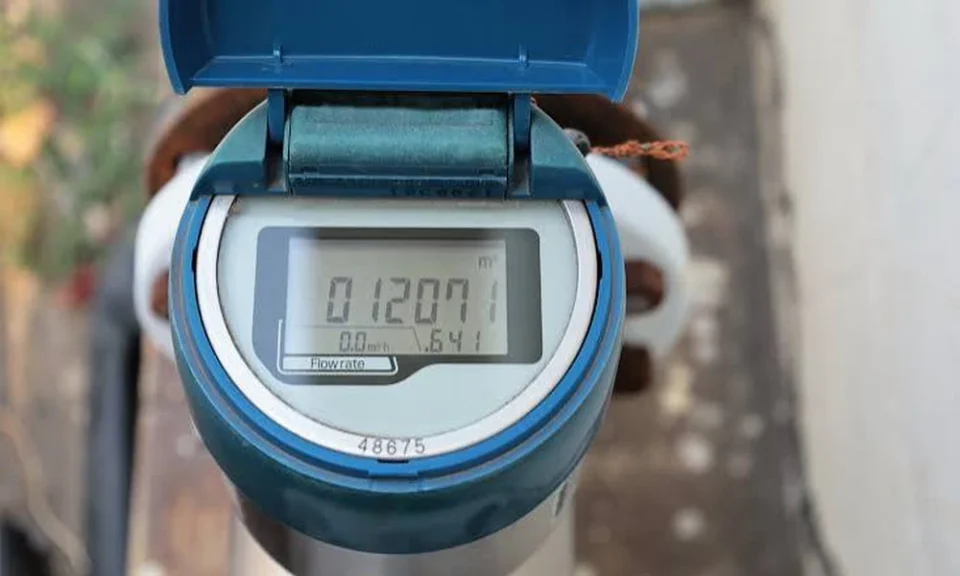
India’s water crisis is worsening day by day, and the supply isn’t able to meet the rising demands. NITI Aayog flagged years ago that a number of major cities, Delhi and Bengaluru among them, were heading toward serious groundwater depletion. That warning wasn’t wrong. Several of these cities have since dealt with acute shortages, and the pressure keeps building as urban populations grow. However, a feasible and economical solution to this problem is a smart water meter. This post will discuss more about it in detail.
How Big Is the Water Problem?
Before getting into solutions, it’s worth sitting with how big the gap actually is.
- Studies estimate that non-revenue water, water lost to leakage, theft, or poor accounting, affects a substantial share of urban supply in Indian cities.
- Several mid-sized cities are now showing up on water-scarcity risk lists alongside the usual metros, not just Chennai or Bengaluru anymore.
- Much of India’s urban water billing still relies on flat rates rather than actual metered consumption, which means there’s often no real incentive to conserve.
None of this is a small fix. But metering sits right at the foundation of most solutions being discussed.
Why Traditional Metering Falls Short Here
Manual or basic meters can tell a utility how much water was used, eventually, once someone reads it. What they can’t do is show where water is being lost between the treatment plant and the tap, or flag a leak before it becomes a burst pipe.
This gap matters more in water than it does in electricity, honestly. Electricity losses show up relatively fast through voltage and load data. Water losses can sit underground, undetected, for months.
How Smart Water Metering Changes the Approach
Here are some amazing ways smart water meter systems help change the approach and solve the water problem:
Real-Time Consumption Visibility
Smart meters give utilities a continuous read on how water is moving through the network, not just a monthly total. This alone shifts demand management from reactive to something closer to predictive.
Leak and Loss Detection
Continuous flow data makes it possible to spot abnormal patterns, water flowing at odd hours, unexplained drops in pressure, sustained flow at a supposedly unoccupied property, which typically point to leaks or unauthorised use.
Accurate and Consumption-Based Billing
Moving away from flat-rate billing toward metered, usage-based billing tends to change consumer behaviour on its own. When people can see what they’re actually using and paying for, water use often drops without any other intervention needed.
Demand Forecasting for City Planners
Aggregated data across a locality helps municipal bodies understand peak demand periods, seasonal variation, and where infrastructure investment is actually needed, instead of relying on broad estimates.
What This Looks Like in Practice
A phased approach tends to work better than a citywide rollout all at once.
- Start with high-loss zones: Areas already flagged for high non-revenue water make the strongest case for early smart metering investment.
- Pair metering with billing reform: Metering alone doesn’t fix demand; it needs to connect to a billing system that reflects actual usage.
- Build in leak-alert workflows: Data is only useful if field teams actually act on the alerts it generates.
- Track and publish results: Cities that show a measurable reduction in losses build the case for expanding the rollout further.
Who’s Building This Infrastructure
A growing number of smart meter companies in India are extending their metering capabilities from electricity into water, applying similar communication and data platforms across both utilities. Genus Power, with its background in large-scale AMI rollouts for power distribution, is among the companies now working on this broader utility metering space, bringing that same infrastructure experience toward water demand challenges facing Indian cities.
Why This Matters Beyond the Utility’s Books
This isn’t only about a municipal body’s revenue collection, even though that’s usually the initial driver. It’s about whether a city can actually sustain its water supply as demand keeps climbing and groundwater keeps depleting. Every litre saved through early leak detection or better demand visibility is a litre that doesn’t need to be pulled from an already stressed source.
Closing Thoughts
India’s urban water crisis isn’t going to be solved by any single intervention, and smart metering certainly isn’t a complete answer on its own. But it’s one of the few pieces of this puzzle that gives cities actual visibility into where water is going, and that visibility is what most demand management strategies are currently missing. Cities that start building this data layer now will likely be in a far better position to manage what’s coming over the next decade than those still relying on flat-rate guesswork.
