
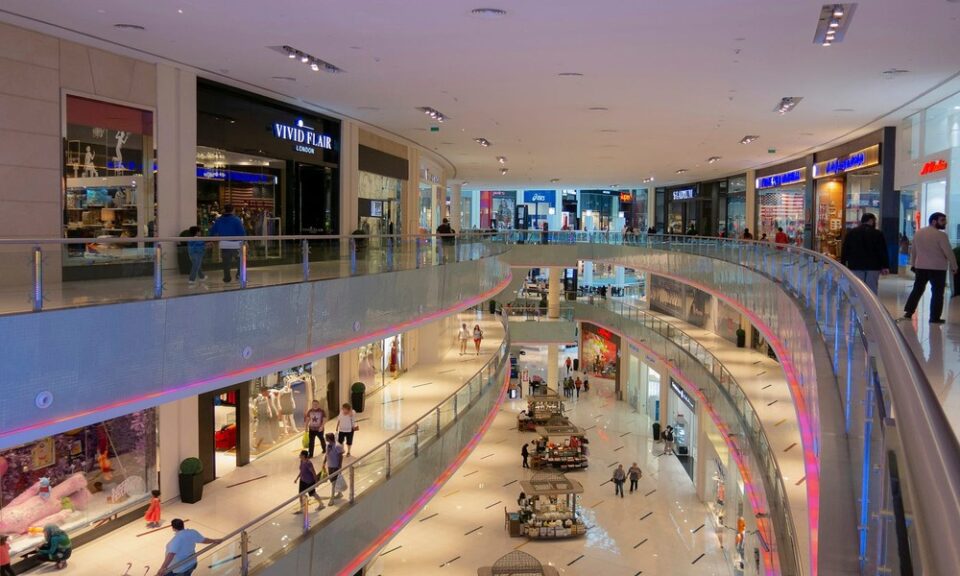
Retail shops change more often. A store that worked perfectly a few years ago may no longer suit the place recently. Sometimes a tenant is moving out. Sometimes a renovation is planned. In other cases, a new occupant is preparing to take over the premises.
That transition period is often when shop defit becomes an important part of the discussion. Before new designs, new branding, or new layouts can take shape, many retail spaces need to be cleared of the existing fit out so the property can move into its next stage.
Why Retail Spaces Reach This Point
Every shop has a purpose when it is first fitted out. Over time, however, business requirements can change.
Some common reasons include:
- End of lease obligations
- Business relocation
- Major store renovations
- Property upgrades
- Rebranding projects
- Changes in product ranges
- New tenant requirements
A layout designed for one business may not work for another. What was once a practical setup can eventually become a limitation.
Looking At The Existing Fit Out Differently
When a shop is operating normally, most people focus on products, customers, and daily activity. Once plans for change begin, attention shifts to the physical structure of the space.
Property owners and tenants often start assessing:
- Display units
- Service counters
- Shelving systems
- Internal partitions
- Storage areas
- Signage installations
- Flooring elements
- Fixed fixtures
The goal is not simply to remove items. It is to determine which parts of the existing setup still serve a purpose and which no longer fit future plans.
What A Shop Defit Commonly Involves
Some retail spaces require only partial removal work, while others need a more complete clearing of the interior.
Typical components may include:
- Removing counters and workstations
- Taking down shelving units
- Removing retail displays
- Disconnecting unwanted fixtures
- Clearing storage structures
- Removing old signage
- Stripping non required fittings
- Preparing areas for renovation work
Every retail property is different, which is why the extent of removal often depends on the condition of the premises and what comes next.
Areas Often Overlooked During Planning
Customers usually see only the public facing sections of a shop.
Behind the scenes, there can be many additional elements that need consideration.
These may include:
- Staff facilities
- Back room storage
- Utility areas
- Internal offices
- Partitioned rooms
- Equipment mounting points
- Electrical infrastructure
Sometimes these hidden areas require just as much attention as the main retail floor.
Common Retail Components And Their Purpose
| Component | Why It May Be Removed |
|---|---|
| Counters | No longer suit future layouts |
| Shelving | Designed for previous operations |
| Display units | Specific to former products |
| Signage | Linked to previous branding |
| Partitions | Restrict open space planning |
| Fixtures | No longer required by new occupants |
| Storage systems | Unsuitable for future use |
The objective is often to create a cleaner and more adaptable space for whatever comes next.
Preparing For A New Stage Of Occupancy
Once unnecessary fittings have been removed, the property becomes easier to assess.
This can help with:
- Renovation planning
- New fit out design
- Property inspections
- Lease handovers
- Space evaluation
- Future tenancy requirements
Many people are surprised by how different a retail space looks once years of installations have been removed. The shop often feels larger, simpler, and easier to visualize.
Questions Businesses Often Ask
1. Does every retail space require a complete defit?
No. Some projects involve removing only selected elements while retaining parts of the existing fit out.
2. When is a defit usually performed?
It commonly takes place before renovations, during lease completion, or before a new tenant moves in.
3. Can existing fixtures remain?
In some situations they can. This depends on lease requirements and future plans for the property.
4. Why is removal work important before renovations?
It allows contractors and property owners to assess the space more clearly and prepare for upcoming changes.
A retail shop can spend years serving one purpose. Then circumstances change. Once the removal starts, the shop can change quite quickly. Shelves disappear. Displays come down. Fittings that have been there for years are suddenly gone. After a while, it stops looking like the same store. That is really the purpose of shop defit. The old fit out is cleared away, making it easier to see what the space could become next.
