
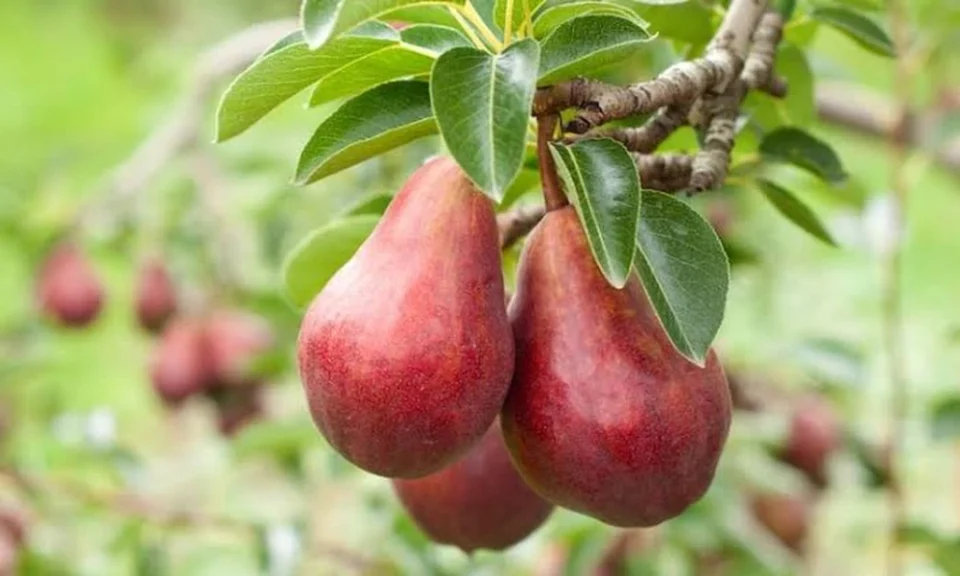
A low line of pear branches beside a path can give a kitchen garden a clear edge without hiding the planting behind it. It is an appealing use of a fruit tree, particularly where a taller framework would interrupt the view. Yet the same small structure limits the amount of fruiting wood. A stepover should be assessed as a trained garden feature with a crop, rather than imagined as a full-sized pear tree compressed into a few inches of height.
That distinction helps resolve the main buying decision. Is the aim to mark a border, enjoy some pears within easy reach or produce a substantial household harvest? The answers need not be identical, but one should take priority. In a British garden, a stepover also brings permanent support, seasonal pruning and blossom close to ground level. Its small stature changes the work involved; it does not remove the tree’s needs.
Fruit-Trees, a specialist fruit nursery, explains the stepover pear form as a short stem with two horizontal branches creating a T-shaped outline. Its description places that form along paths and borders or against very low walls. The useful distinction is between choosing a tree for this low structure and expecting the output of a larger framework. Gardeners who intend to buy stepover pear trees should therefore decide how edging, accessible fruit and the available length of border fit together before selecting their variety.
Plan the shape at its intended spread, including room to work beside it. That makes it easier to compare the decorative value and likely scale of harvest with alternative pear forms.
Buy Stepover Pear Trees for Low Structure and Modest Crops
A stepover is a deliberately trained tree, commonly with a short trunk and a pair of horizontal arms. Its identity comes from that framework and the pruning that maintains it. The low line gives a border definition while leaving the view open above, and fruit develops on the smaller growth associated with the arms. Think of the tree in terms of the space its complete framework occupies, rather than only the height of its trunk.
Height alone is a poor guide to the footprint. Nursery descriptions of particular stepovers and general training guides may give different spreads because the stock, cultivar and intended training differ. Confirm the dimensions expected for the tree being supplied. A short specimen can still extend well beyond its planting hole. On a path edge, that horizontal reach matters more than whether the dormant tree looks small enough to carry easily.
A limited framework also calls for restrained expectations about the harvest. There is no useful universal number of pears per tree: age, variety, fruit set and care all affect the result. The point is that a single low tier provides less fruiting framework than a larger trained or free-standing tree. If the main objective is a sizeable crop, compare those alternatives before deciding that a row of small trees is the most practical route.
For example, an owner might value a neat division between two beds and welcome a few pears as an additional benefit. Another might need fruit for a large household and have little interest in maintaining a formal edge. The same stepover could suit the first aim and disappoint the second. Define success before considering varieties, because no attractive label can resolve a mismatch between the form’s role and the gardener’s expectations.
Lay Out the Path Before Fixing the Tree Positions
Mark the proposed line with canes and string, then use the path as normal for a few days. Carry a watering can, move a wheelbarrow and turn at the corners. Include the spread of foliage and short shoots, not merely the position of the supporting wire. A plan that works when the line is bare may feel much narrower in summer, particularly if another planting leans into the path from the opposite side.
Despite the name, routine access should not depend on stepping over branches. Leave deliberate openings where the gardener needs to enter a bed or move equipment. Young arms and their ties are not handles or barriers to lean against. Where children play or a busy route crosses the proposed line, consider whether a low, relatively inconspicuous framework will be vulnerable to accidental damage.
The border itself also needs room for care. Reaching a low tree can involve bending or kneeling, so easy picking height is not the same as comfortable maintenance for every person. Think about access to the trunk, the underside of the arms and the soil around the roots. A narrow gap behind a low wall may look suitable from the path but leave little space for inspecting ties or dealing with weeds.
Keep the design legible. One clearly planned run with appropriate access breaks is often more practical than small fragments fitted wherever there is a gap. If a path narrows near a gate, end the tree line before that pinch point rather than trimming the working width to preserve symmetry. The border should support ordinary use of the garden throughout the year. Its decorative value is strongest when it belongs to the layout instead of creating obstacles that the household learns to avoid.
Check the Rootstock and the Training Already Supplied
The rootstock controls much of a pear tree’s vigour and helps determine whether the intended form is manageable. For stepovers, RHS guidance identifies Quince C and Quince Eline as suitable pear rootstocks. These are not the apple stocks often mentioned in descriptions of low trained fruit. Confirm the exact combination on the order rather than transferring an apple recommendation to pears or assuming that the word dwarf answers every question. Ask what the tree will look like on delivery. A pre-trained T shape, a partly trained tree with two developing shoots and a young maiden for training from scratch represent different starting points. Their prices may reflect different work already completed, but the useful comparison is the work still required in the garden. Check whether the expected height and arm positions fit the intended support and whether the gardener is comfortable developing the form.
The fruiting variety remains important. Choose pears the household wants to eat and check the pollination requirements of the named cultivar. A low shape does not change those requirements, and a decorative row of identical self-incompatible trees does not provide different compatible pollen simply because several trunks are present. Where another pear is expected to act as a partner, confirm its identity and flowering relationship before making the planting depend on it.
Keep these details together in a short order record: cultivar, rootstock, supplied form and expected spread. That record is useful when seeking pruning advice later, especially if a label is lost. If the supplier cannot confirm an essential detail, resolve the uncertainty before building the border around the tree. A clearly specified specimen gives the training a sensible starting point, while an unexplained mismatch in vigour or branch arrangement creates work that careful planting alone cannot remove.
Allow for Permanent Support and Continuing Training
Stepovers need a supporting framework, usually a horizontal wire held by sound posts. Plan it as a lasting part of the border. The posts must remain secure and the wire should support the arms at their actual height. A decorative stake pushed into loose soil is a different object from a support intended to carry a developing tree through wind, growth and fruiting.
Fit the support to the tree rather than burying the tree more deeply to meet a convenient wire. Plant at the appropriate nursery depth, keeping the graft union clear of the soil, and adjust the framework around that requirement. With a pre-trained specimen, checking the branch height before fixing the final wire position avoids an unnecessary conflict between correct planting and a neat-looking line.
Training continues after the main outline exists. New extension growth needs attention, ties need checking as branches thicken and summer pruning keeps growth within the intended form. Follow pear and trained-fruit guidance rather than cutting the whole tree as if it were a clipped hedge. Retaining useful fruiting growth and controlling unwanted extension are different decisions, even when both affect the neatness of the outline.
If starting from an untrained tree, use a method appropriate to its age and flexibility. Forcing a stiff branch into a horizontal position risks damage. A partly formed tree is a project developed over time, not a structure that should be made symmetrical in one afternoon. Obtain clear instructions for the supplied specimen and review progress before making major cuts or bends.
Set aside time for this recurring work. The attraction of a low form is access, not freedom from pruning. If the household enjoys tending a formal border, that attention may be part of its value. If annual shaping is likely to be postponed, compare a less restricted form before committing to a long run of stepovers.
Protect Blossom and Keep the Root Area Accessible
Pear blossom opens in spring, when frost remains a possibility in many British gardens. A low framework places flowers near the ground, so avoid choosing a known frost pocket simply because it offers a convenient straight border. Consider how cold air moves through the plot and where late frosts have damaged other plants. A tree’s winter hardiness does not establish that its open flowers will escape a spring frost.
The low height can make temporary protection easier to arrange than on a large tree, provided it is planned sensibly. Support suitable covering material so it does not crush the blossom and remove or open it during the day as conditions allow, particularly for pollinator access. Protection reduces exposure; it should not be presented as a guarantee of a crop. Keep any supports out of the path and store the materials where they can be reached when a forecast changes.
Give the roots appropriate conditions too. A narrow decorative strip beside paving may contain compacted soil, construction debris or a dry edge that differs from the neighbouring bed. Examine it before planting and allow enough workable soil around the tree. During establishment, check moisture and keep competing growth controlled. Small top growth does not mean the tree is self-sufficient immediately, and the convenience of a nearby path is useful only if it also gives access for care.
Inspect the low branches when working around the border. Tools, hoses and mowers can catch ties or strike the stem if the layout is cramped. Make the tree line visible and leave room for ordinary maintenance without repeated contact. In a well-planned border, checking blossom, roots and support can form one short routine. In a squeezed position, each task becomes awkward, and the low form loses much of the practical advantage that made it attractive.
Compare the Finished Border with Other Ways to Grow Pears
Before ordering a complete row, compare it with a cordon, espalier or small free-standing pear suited to the site. A cordon uses height differently; an espalier provides more than one horizontal tier; a bush tree occupies a broader volume. None is automatically better. The comparison should consider usable growing space, support, pruning and the amount of fruiting framework rather than presenting low height as the only measure of suitability.
A small trial can be useful where the garden is still developing. One well-positioned stepover allows the owner to test access and maintenance before extending the line, provided its pollination needs are met from the start. Observe how the path works when the tree is in leaf and how comfortable the low-level work feels. That experience may confirm the plan or suggest that a different form belongs in the remaining space. Include the visual effect in winter, when the support and branch framework remain visible. A border that suits the garden only while covered in leaves may need a different position or a simpler arrangement of posts and access gaps.
When fruit arrives, judge the result against the original purpose. A decorative edge that yields some enjoyable pears has succeeded if that was the intention. It has not failed because a larger tree elsewhere produces more. Equally, a household seeking substantial supplies should be willing to revise a design that prioritises form over crop. Keep the choice honest: stepovers offer a distinctive low framework, close access and the pleasure of fruit along a border, in return for suitable support and regular attention. Select them because those qualities fit the garden, and treat the harvest as part of that considered design rather than as an assumed quantity.
