
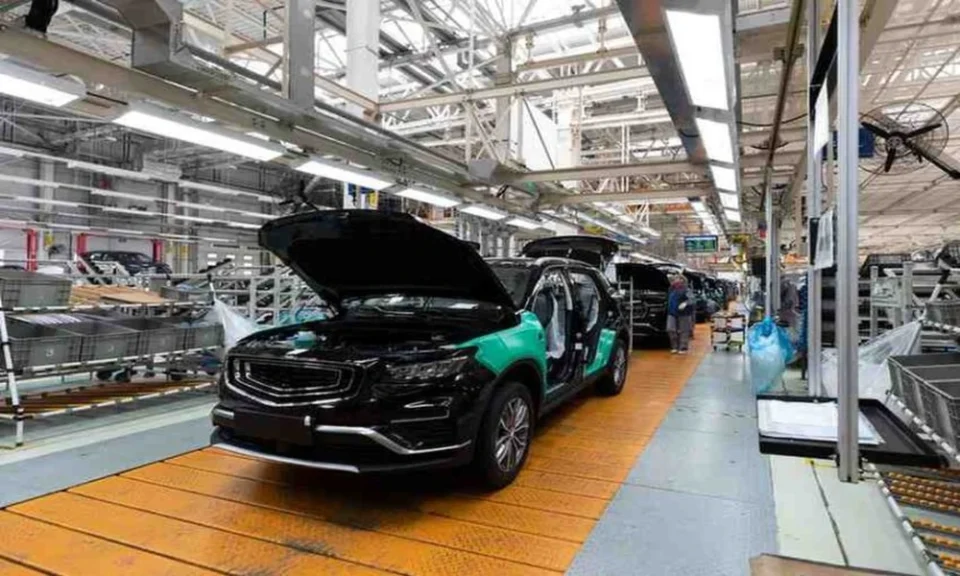
Automotive manufacturers in the USA can face sudden increases in production demand, new vehicle launches, seasonal peaks, or supply chain changes. During these periods, automotive staffing can help manufacturers add workers quickly without changing their long-term workforce structure.
The right approach depends on how long the extra support is needed for and what skills are required.
Why Surge Hiring Needs a Flexible Approach
Surge hiring is different from regular hiring. A manufacturer may need hundreds of additional workers for a limited period, while permanent hiring could take longer and create ongoing payroll commitments.
This is where different staffing models can help. Each model offers a different balance of speed, flexibility, cost, and workforce control.
Temporary Staffing
Temporary staffing is useful when the increase in production is expected to last for a defined period. Workers can support roles such as assembly, packaging, quality inspection, warehouse operations, and material handling.
Manufacturers can use this approach to quickly adjust their workforce when production needs increase. Staffing levels can also be changed as shift schedules and output requirements change. When the busy period ends, temporary positions can be reduced without affecting the permanent workforce.
Temp-to-Hire Staffing
Temp-to-hire can work well when a manufacturer is unsure whether increased demand will continue. Workers start on a temporary basis, giving the employer time to evaluate performance, attendance, skills, and overall fit.
If the need becomes permanent, selected workers may move into regular positions. This approach can reduce the pressure to make immediate permanent hiring decisions during a busy production period.
Direct Hire for Long-Term Demand
Direct hire is more suitable when increased production is expected to continue. Instead of bringing workers in for a short-term surge, manufacturers hire employees for ongoing roles.
This model can be useful for skilled positions, supervisors, technicians, engineers, and other roles where continuity and experience matter. However, direct hiring may take more time than temporary solutions.
On-Demand or Project-Based Staffing
Project-based staffing can support specific production programs, facility changes, product launches, or other defined projects. The workforce is built around a particular business need and timeframe.
For manufacturers managing several moving parts at once, this option can provide targeted support without requiring a broad permanent hiring push.
How to Choose the Right Model
The best staffing models depend on several factors. You must ask yourself the following questions –
- Duration: How long will the production increase last, and when is the additional workforce expected to scale down?
- Skill needs: Are general production workers needed, or does the role require specialized technical skills, certifications, or prior manufacturing experience?
- Speed: How quickly should the new workers be available to meet production targets and keep operations running smoothly?
- Volume: How many employees are needed, and will the workforce requirement increase or decrease as production levels change?
- Future demand: Is the increase temporary, uncertain, seasonal, or expected to continue for the long term?
Manufacturers should also consider training requirements, shift schedules, compliance needs, and how easily the workforce can scale up or down.
Conclusion
Surge hiring can be challenging when production needs change quickly. The right staffing approach depends on how long support is needed, the skills required, and whether demand is expected to continue. Temporary, temp-to-hire, direct hire, and project-based options each serve different purposes.
By understanding these differences, automotive manufacturers can choose a workforce approach that provides the flexibility needed during production increases while keeping longer-term hiring plans aligned with business needs.
