
Key Takeaways
- There is a difference between meeting the bare legal minimum and achieving robust operational safety.
- Professional fire consultants are essential for navigating the nuances of performance-based safety designs.
- A systematic fire safety audit identifies hidden vulnerabilities before they escalate into emergencies.
- Your building remains future-proof against evolving local safety standards and insurance requirements.
Introduction
For building owners and facility managers, the complexity of local fire codes can feel like a labyrinth that never ends. Ensuring that a structure is truly resilient requires a shift from viewing safety as a paperwork exercise to seeing it as a dynamic, living system. Fire protection is a silent infrastructure that demands rigorous maintenance and expert validation. Engaging with seasoned fire consultants provides the technical bridge between abstract code requirements and the practical realities of complex building layouts. By conducting a thorough fire safety audit, they act as an external set of eyes, uncovering the gaps that routine maintenance might overlook.
1. The Lesson of the Door Closer
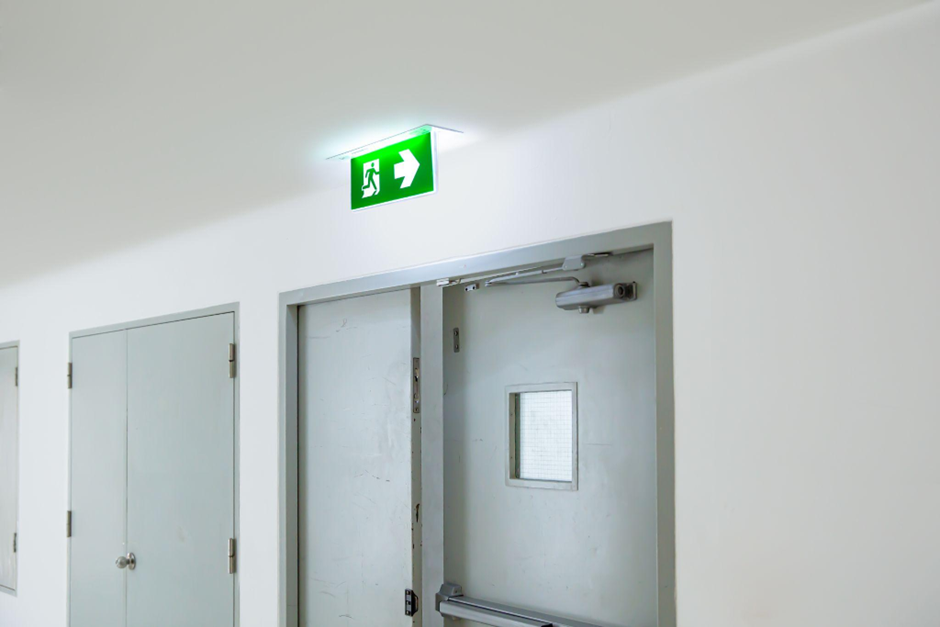
History is replete with lessons where minor technical failures led to disproportionate disasters. In many real-world scenarios, a fire door is installed correctly and meets all manufacturing specifications. A poorly adjusted self-closing mechanism or a tenant propping it open with a decorative wedge completely changes the outcome of a fire event.
During a fire, it is essential to keep the heat and smoke contained within the room of origin. If a door fails to close automatically because a hinge was slightly misaligned, the entire building’s smoke control strategy collapses. This demonstrates that fire safety is about the microscopic details. This is precisely what fire consultants look for in a critical failure point. Their job is to ensure that these small, seemingly insignificant components work in harmony to prevent a localised incident from becoming a national tragedy.
2. The Anatomy of a Fire Safety Audit
A professional fire safety audit is a comprehensive diagnostic of a building’s health in relation to potential thermal and toxicological threats. Auditors examine active systems and pay critical attention to passive fire protection. This includes fire-stopping materials around pipe penetrations and the integrity of fire-rated walls.
Many building owners are surprised to learn that renovations by tenants can compromise these hidden barriers. A thorough audit identifies these unauthorised modifications that could allow fire to bypass the safety systems entirely. By the end of the process, the audit provides a clear, prioritised roadmap for remediation, ensuring that resources are spent where they will have the most significant impact on life safety.
3. The Role of Performance-Based Consultancy
As buildings become more architecturally ambitious, they outgrow the prescriptive codes written decades ago. High atriums, mixed-use mega-structures, and unconventional geometries require a more sophisticated approach. This is where the value of specialised fire consultants truly shines. Instead of stating what the code says, they use fire engineering principles to prove what is safe.
Through performance-based design, they can justify deviations from the standard rules by demonstrating through data and simulation that the safety outcomes are equivalent or superior. This level of consultancy allows for architectural innovation while maintaining an uncompromising standard of safety. It turns the “no” of a code into a “how” of engineering, allowing for beautiful spaces that are also incredibly secure.
4. Navigating Code Compliance and Regulatory Evolution
Local fire codes evolve in response to new technologies, material sciences, and lessons learned from global fire incidents. Staying compliant is a moving target that requires constant vigilance. Professional fire consultants stay at the forefront of these changes, helping building owners interpret new circulars and amendments before they become an issue during annual inspections.
Failing a regulatory inspection can lead to the temporary closure of a premises or the invalidation of insurance policies. By treating a fire safety audit as a regular health check rather than an annual hurdle, facility managers can ensure that they are never caught off guard by a surprise inspection. This ensures that the building remains not only a safe place for its occupants but a stable and insurable asset for its owners.
Conclusion
Fire safety is about the trust that tenants place in their landlords, and the trust that the public places in the structures they inhabit. Building this trust requires the expertise and dedication found in professional fire consultants. By investing in a rigorous fire safety audit, you are honouring the silent contract of safety. When you prioritise the invisible shield of fire protection, you are ensuring that your building remains a place where people can live, work, and thrive without fear. Safety is the ultimate foundation of any successful development, and it is a foundation that must be maintained with precision, expertise, and a commitment to excellence.
Don’t let rigid codes limit your design. Enquire at SHEVS IFT Consultants and learn how performance-based engineering can help you achieve your architectural goals today.
